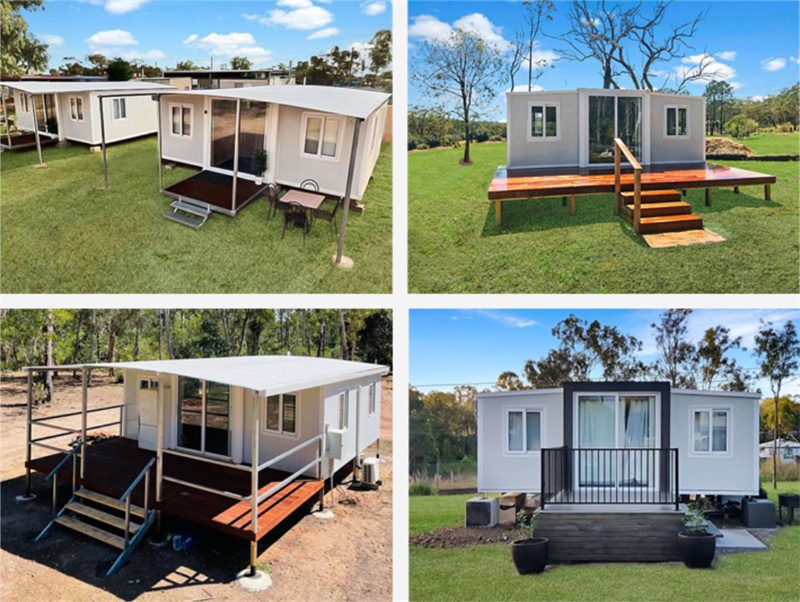
Guides written by the people who build the units
Costs, dimensions, installation sequences, shipping and specification decisions — the questions buyers ask before they place an order.
Buying Guides
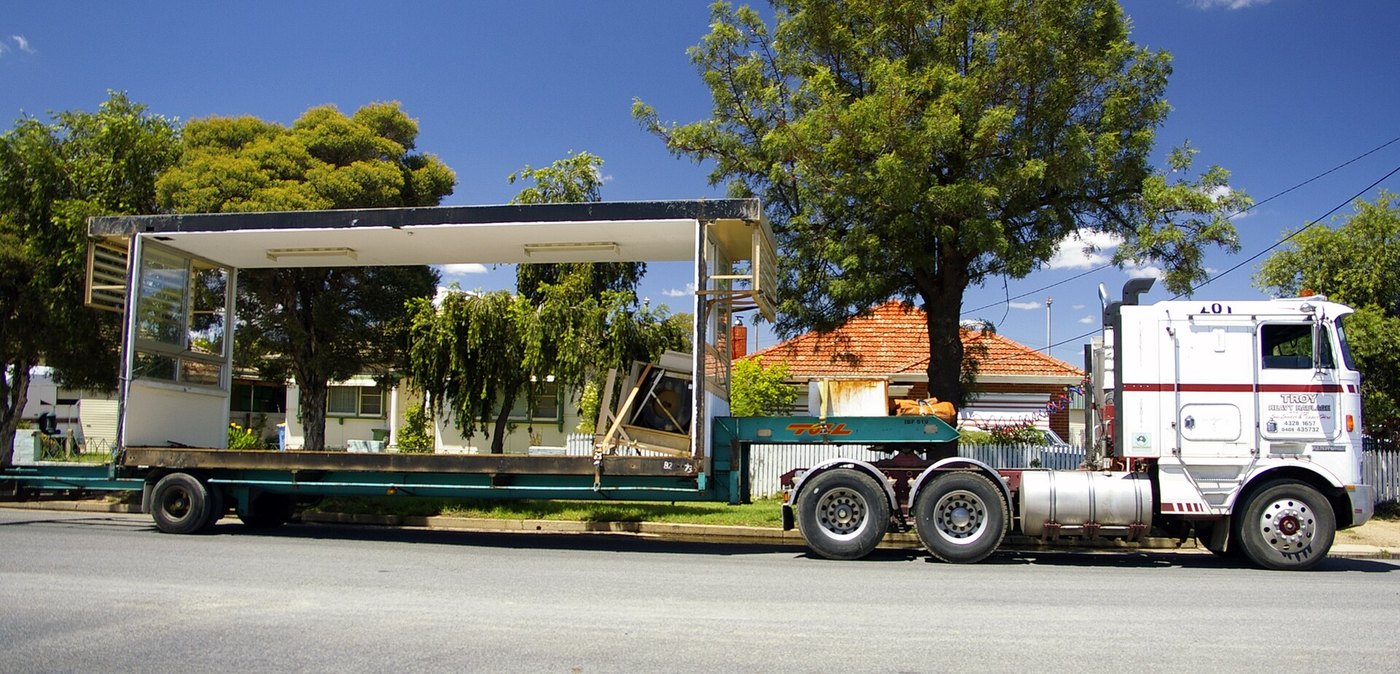
Moving a Container House: What Survives Relocation and What Does Not
Container houses are sold as relocatable. They are — but each move costs a fraction of the original price and some of the assembly never goes back together as well as it came apart.
Read article →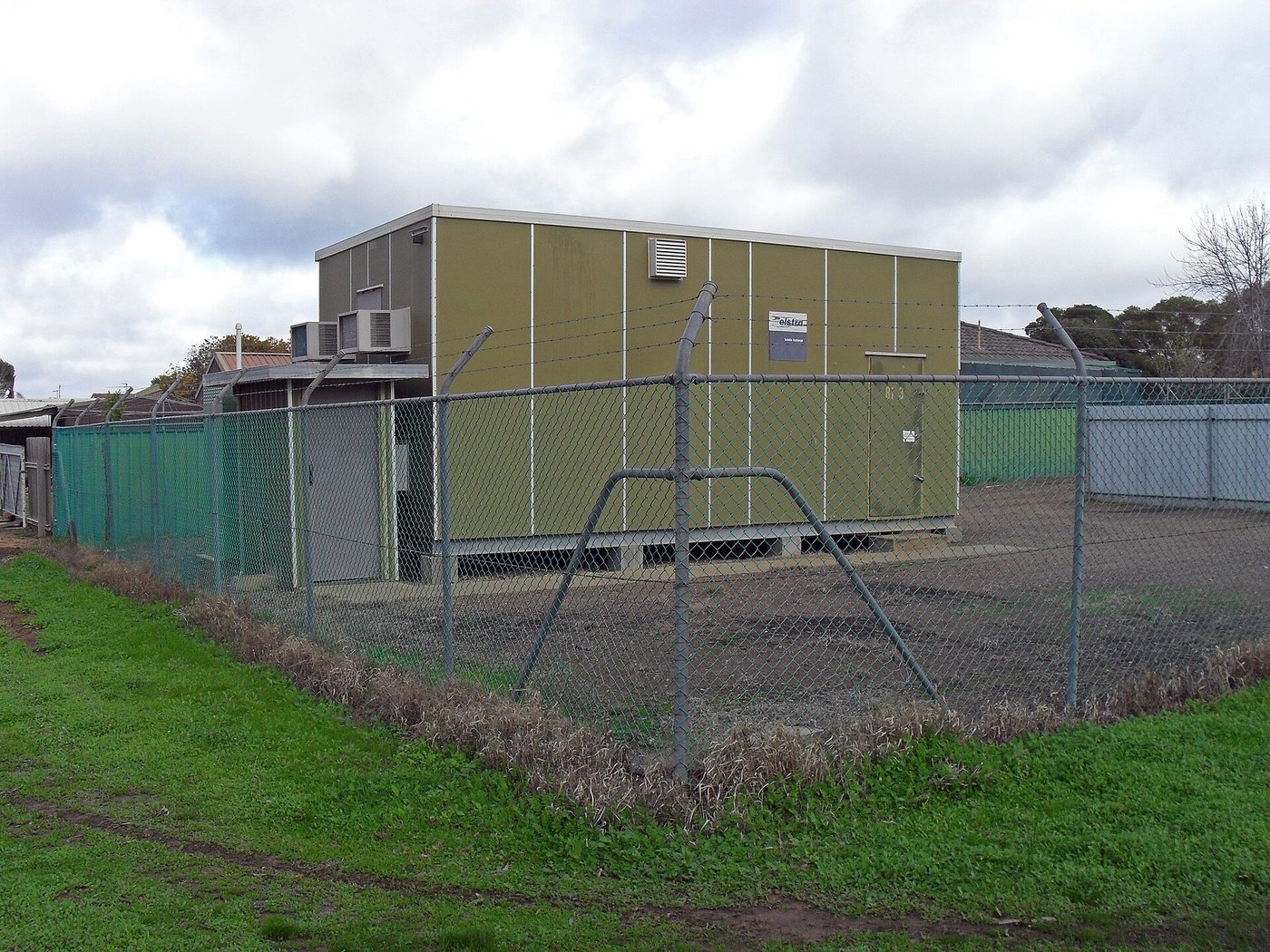
Spare Parts to Order With a Container House: A Practical List
A missing door handle on a camp 400 km from the nearest town costs a week. The parts that fail are predictable, and they are cheap to ship inside the container that is already going.
Read article →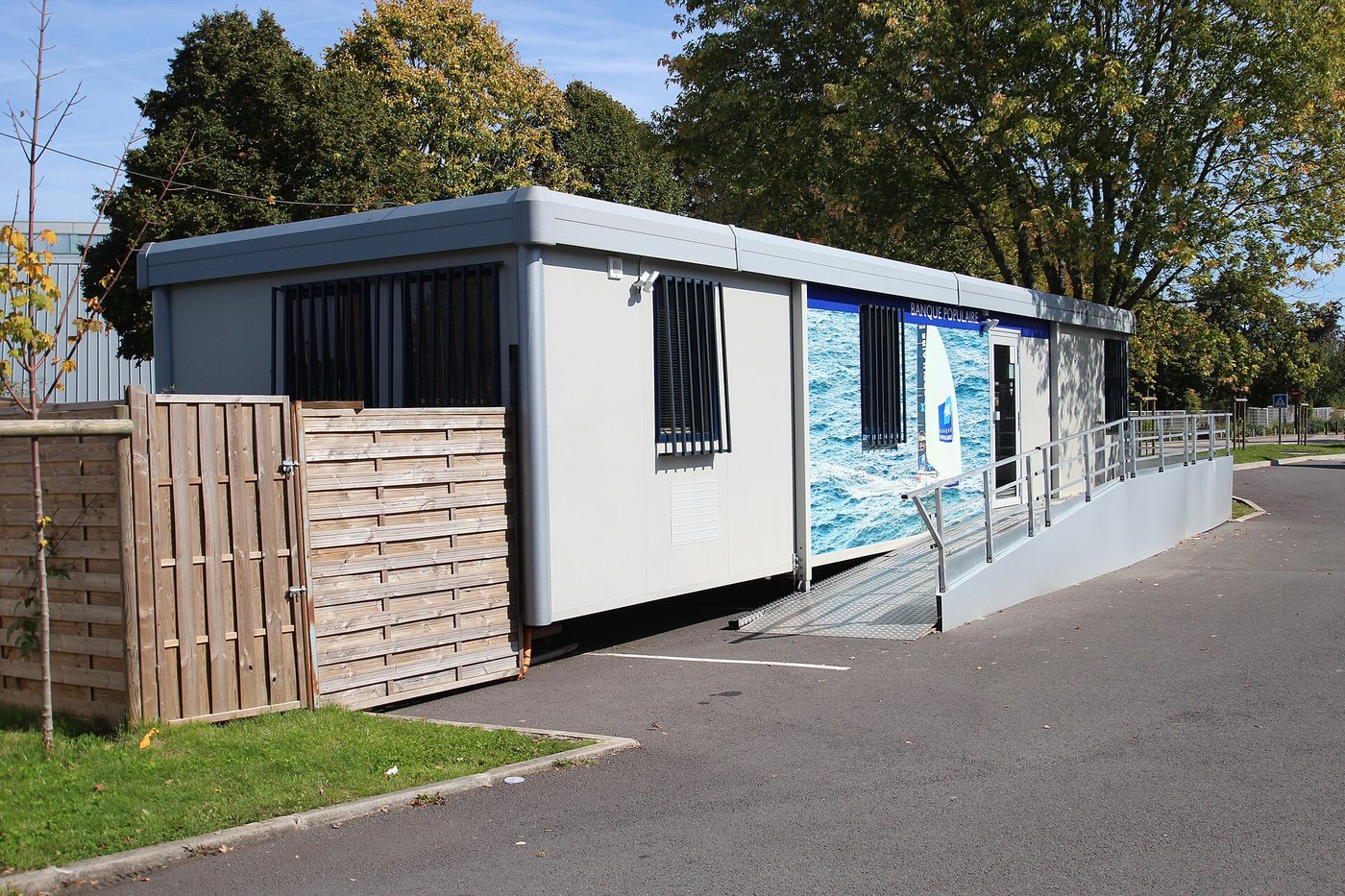
Making a Warranty Claim on a Container House Stick: A Step-by-Step Process
Most warranty claims fail on evidence, not on merit. A claim with a date, a photograph, a unit number and a description of the failure gets resolved; an email that says 'the wall is leaking' does not.
Read article →
Camp Layout and Selection: A Decision Tree for Container Camps
Camp design starts with headcount and duration, not with unit prices. Those two answers eliminate most of the options before you request a quotation.
Read article →
Letter of Credit Document Checklist for Container House Orders
Banks pay against documents, not against goods. A one-word mismatch between invoice and bill of lading can cost a month and a fee.
Read article →
Container House Contract Checklist: 10 Clauses Buyers Forget
The clauses that cause disputes are rarely about price. They are about what counts as complete, what tolerance is acceptable and who pays when a date slips.
Read article →
Container House Warranty and After-Sales: What to Contract For
A warranty is only as good as the claim process. Cross-border claims fail on photos, serial numbers and who pays the freight, not on the legal wording.
Read article →
Pre-Shipment Inspection for Container Houses: What to Check
An inspection that only counts units and photographs the outside misses the failures that appear in the first rainy week: panel joints, door alignment and drain falls.
Read article → Container House Lead Time: What Actually Drives the Schedule
Lead time is four clocks running at once: materials, production, inspection and shipping. Buyers usually plan for production only, then lose three weeks at the port.
Read article →
Payment Terms for Container House Orders: T/T, L/C and Escrow
Payment terms are a risk allocation, not a discount. The structure that works for a first order is usually not the structure that works for a repeat order.
Read article → How to Write an RFQ for Container Houses That Gets Comparable Quotes
Most quotes cannot be compared because the RFQ leaves out four variables: insulation, electrical standard, destination and quantity per shipment. Add them and prices converge.
Read article →
How to Compare Container House Suppliers in China
Comparing container house suppliers requires a structured approach. This article provides a scoring framework with weighted criteria to evaluate Chinese suppliers objectively and select the best partner for your project.
Read article →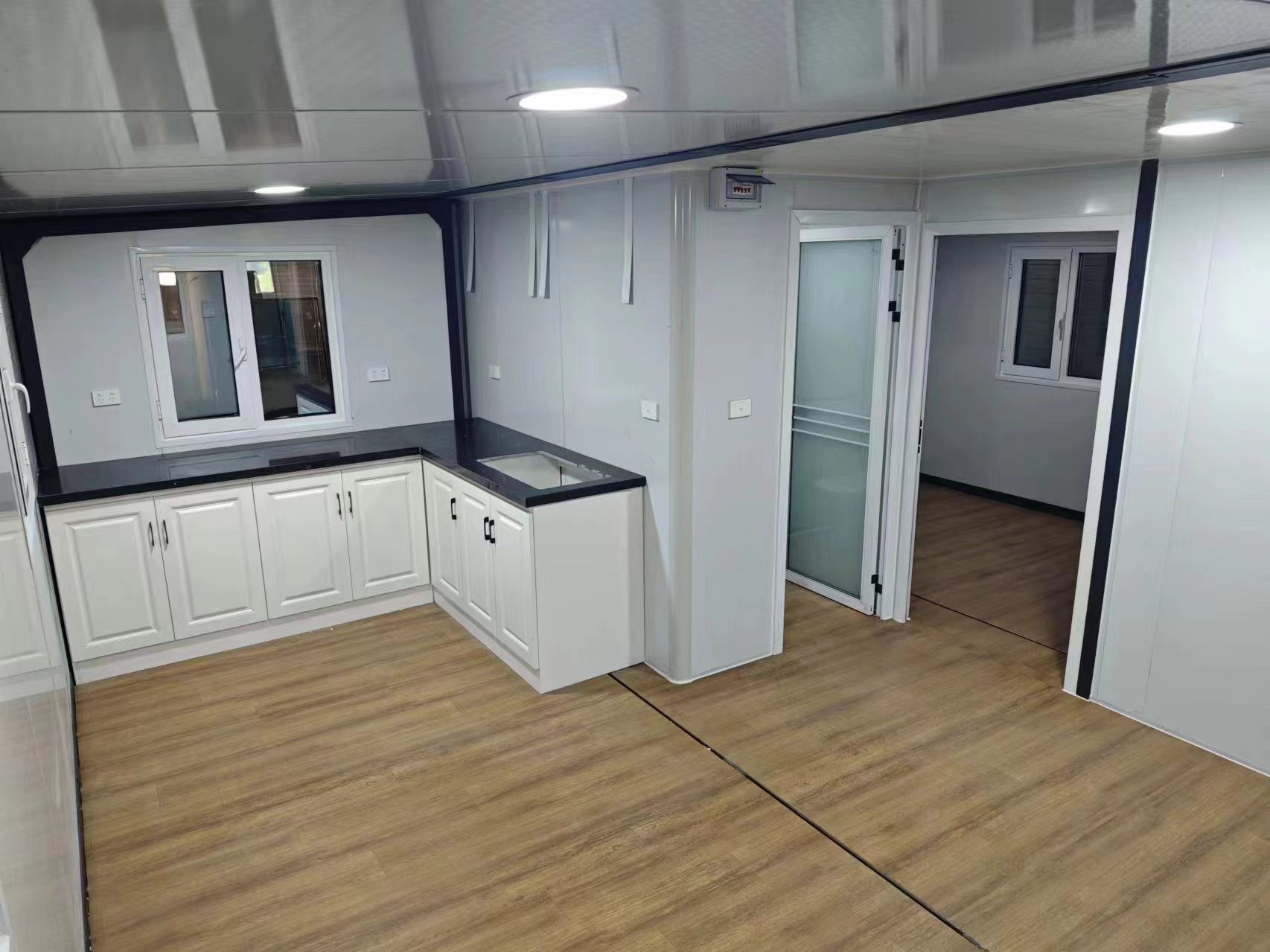
How to Inspect Container Houses Before Shipment
A structured pre-shipment inspection protects your container house investment. This guide covers the document pack, dimensional and panel checks, electrical tests, loading photos, and how to handle defects before the container leaves the factory.
Read article → What Is a Z-Type Folding Container House?
The Z-type folding container house uses hinged wall panels that fold flat for shipping and unfold on site. This guide explains the mechanism, folding ratio, installation, and limitations for B2B buyers.
Read article →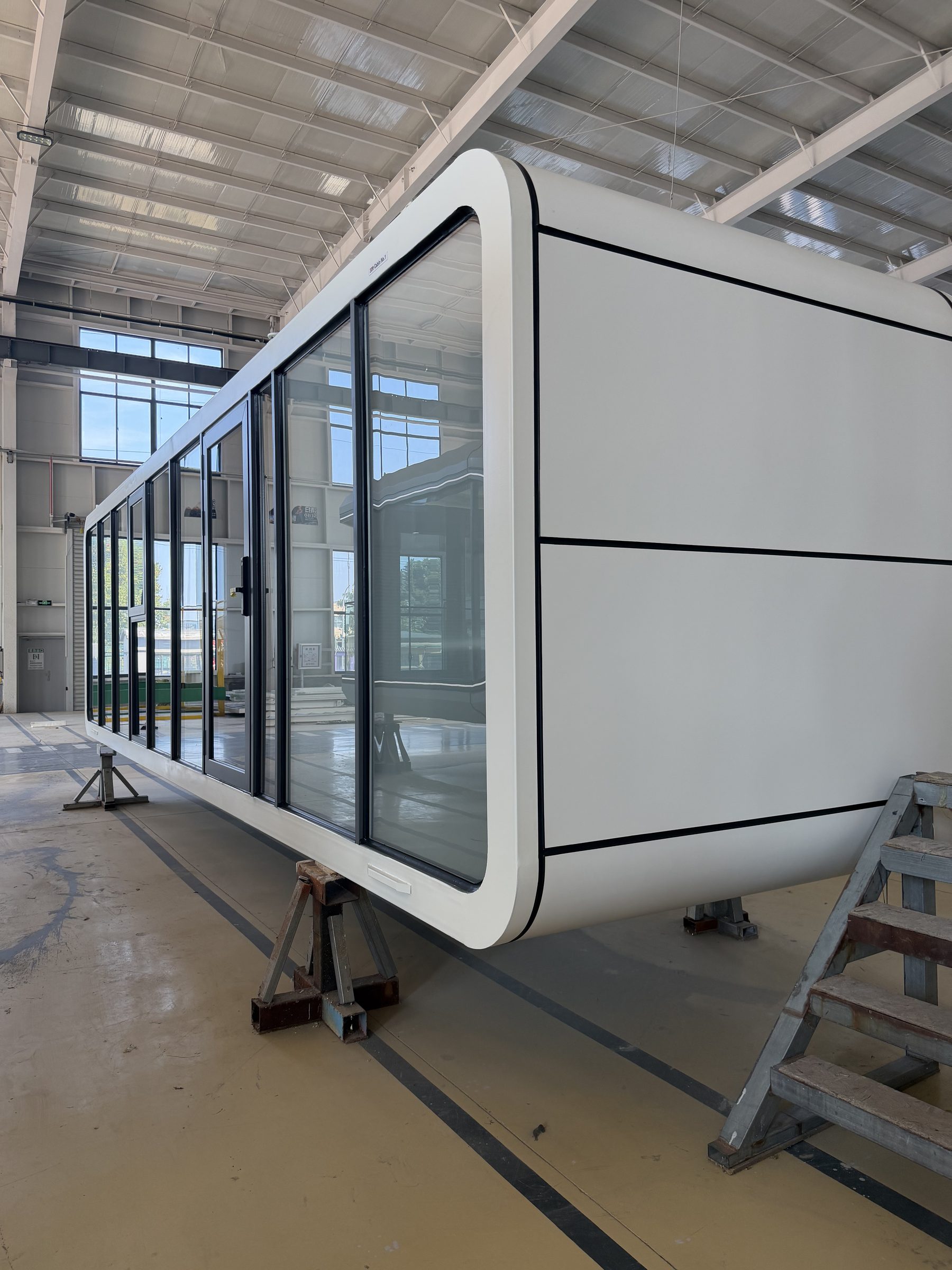
What Should You Check Before Importing Container Houses from China?
Before importing container houses from China, verify destination compliance, panel fire ratings, electrical specs, certification evidence, payment terms and pre-shipment inspection. This checklist helps importers avoid costly surprises.
Read article →
How to Choose a Reliable Container House Manufacturer in China
Most sourcing failures are not product failures but verification failures. This checklist covers factory checks, documents, sample orders and red flags before you place a bulk order.
Read article →Product Comparison
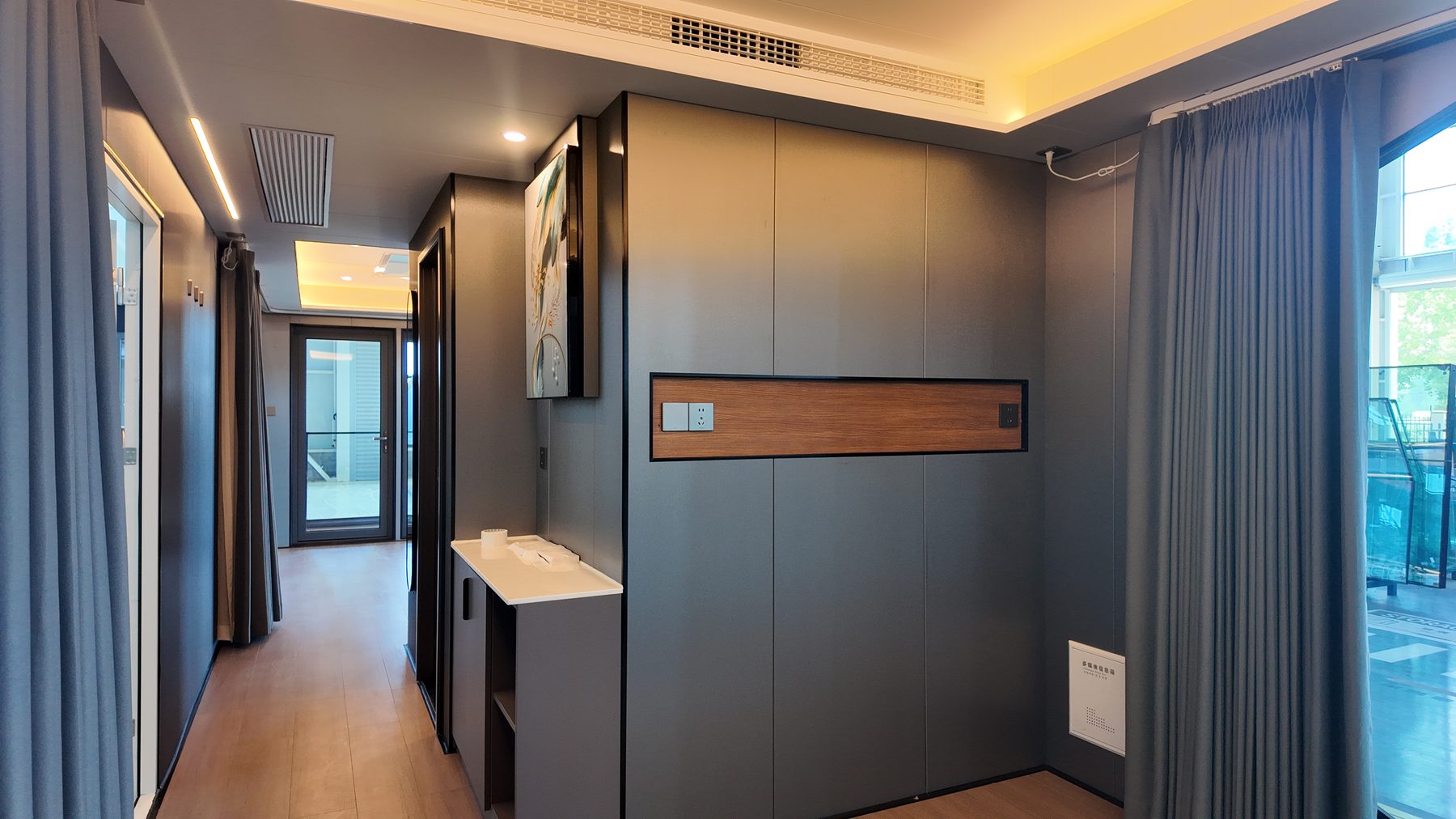
Space Capsule Models Compared: Compact, Panoramic and Two-Bedroom
The capsule family trades structure for glazing. Decide how much glass you need before you decide the model, because glass changes weight, cost and cooling load.
Read article →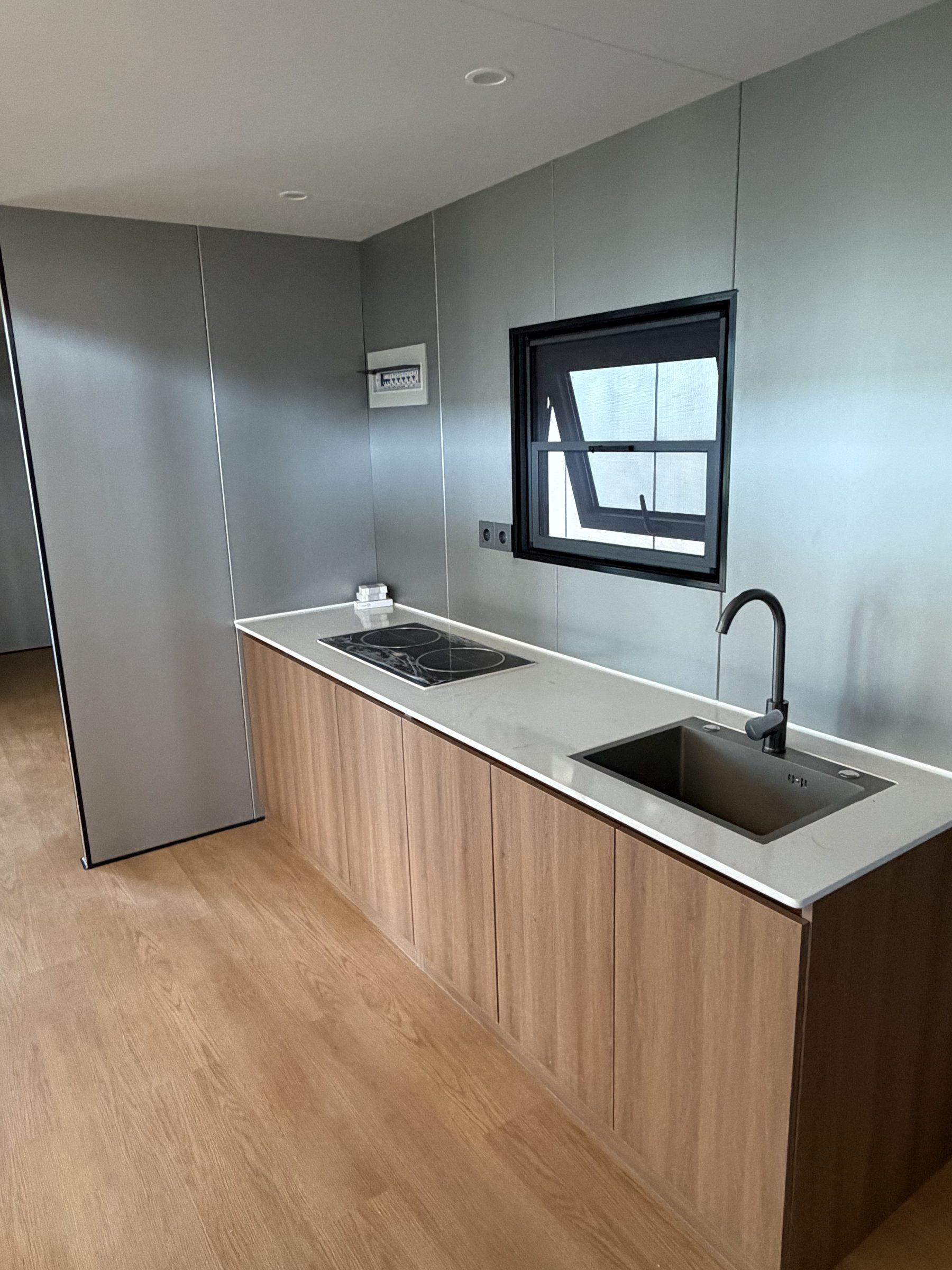
Apple Cabin Models Compared: Pod, Studio Suite and Double-Storey
One shell, three configurations. The difference is floor area, wet core and whether the second level changes your permit route.
Read article → Flat Pack Units vs Two-Storey Camp Blocks: Which to Build
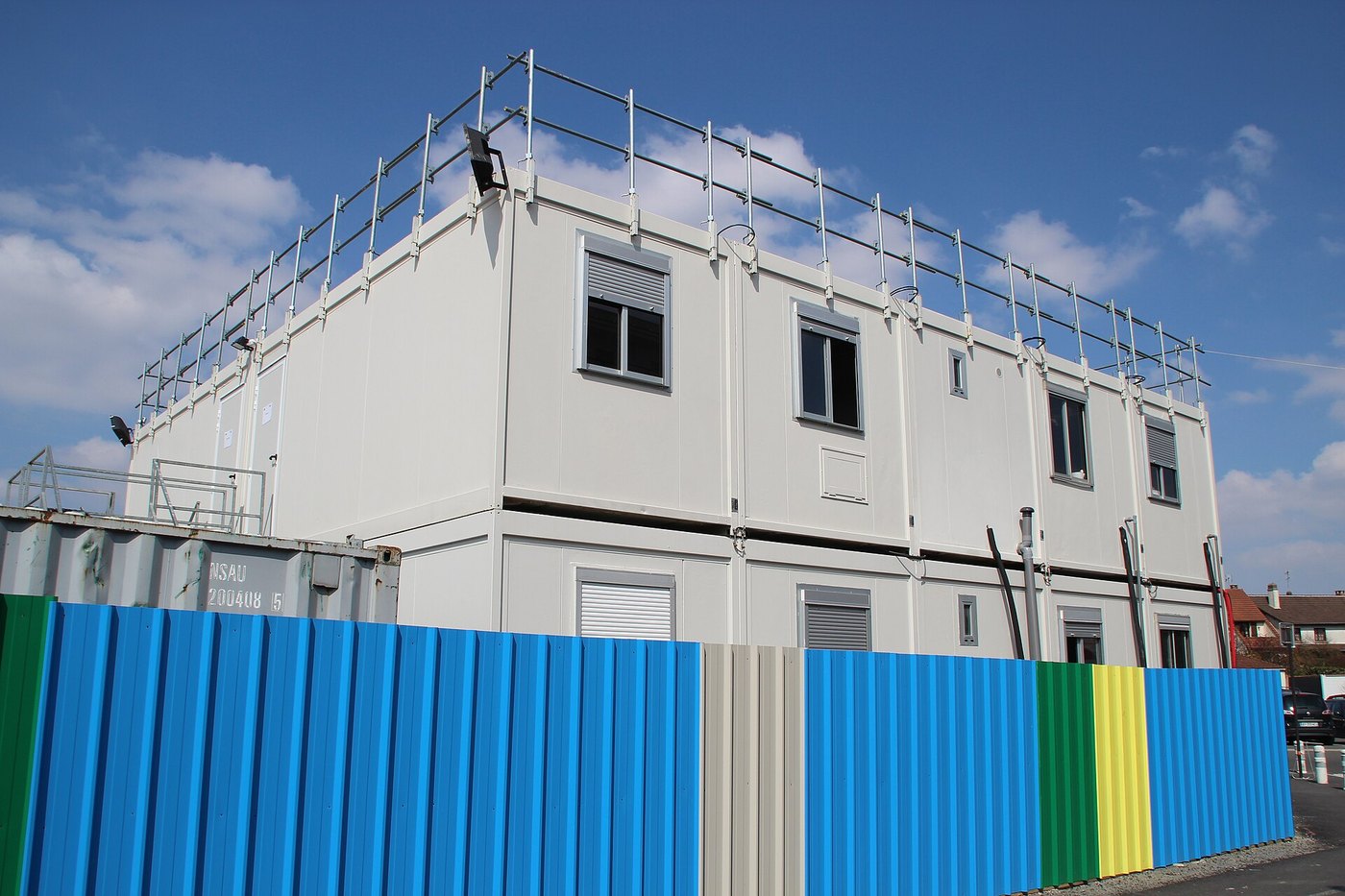
Two storeys halve the land, not the cost. The saving comes from shared services and shorter site works, and it is offset by structure and access requirements.
Read article → Camp Block vs Container House: Choosing Mining Camp Accommodation
A camp block packs beds into two storeys on one foundation; container rows spread out and move easily. The choice changes land use, assembly time and how the camp grows.
Read article → Flat Pack vs Folding vs Expandable vs Modular: Structural Comparison
The four families differ mainly in how much factory work travels with the module. That single variable drives shipping cost, crane needs, assembly hours and the resale value of the unit.
Read article →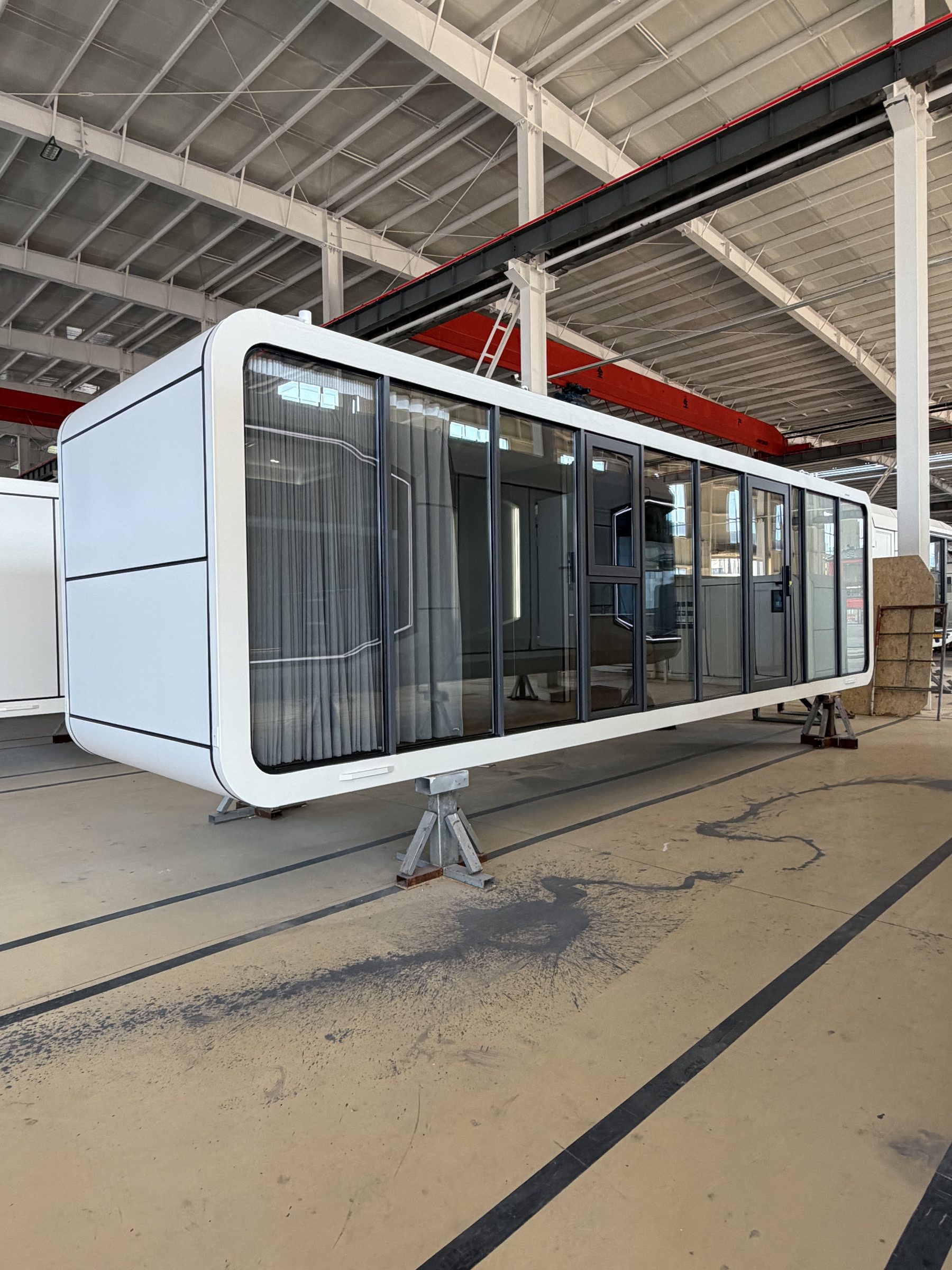
Apple Cabin vs Space Capsule Pod: Which Prefab Unit Fits Your Project
Both are steel-framed prefab pods finished on site in a day, but they differ in shell geometry, insulation depth, window area and how they stack. This comparison shows where each one wins.
Read article →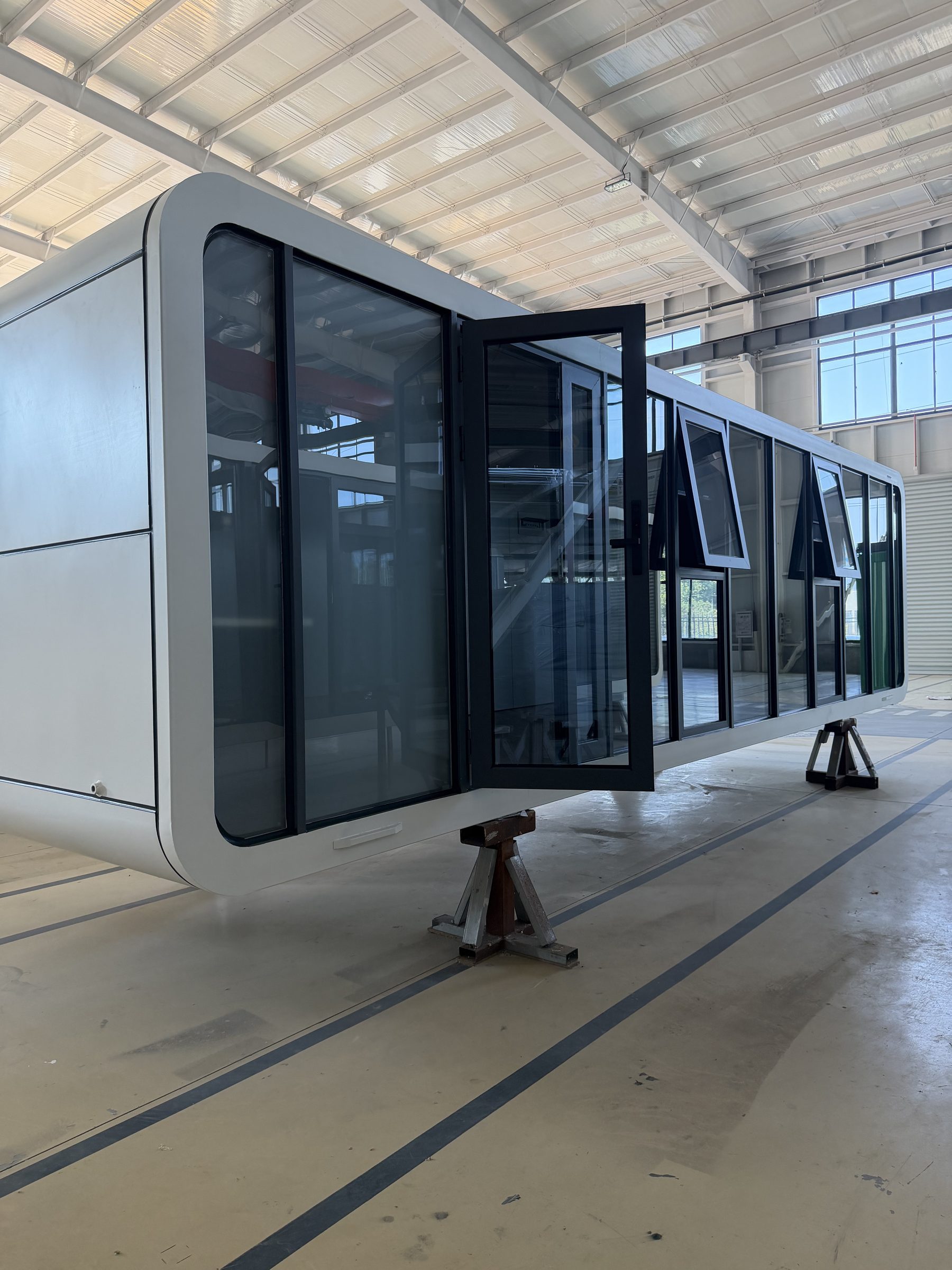
20ft vs 30ft vs 40ft Expandable Container Houses
Choosing between 20ft, 30ft and 40ft expandable container houses affects shipping cost, floor area and layout options. This guide compares shipped footprint, units per load, and typical configurations.
Read article →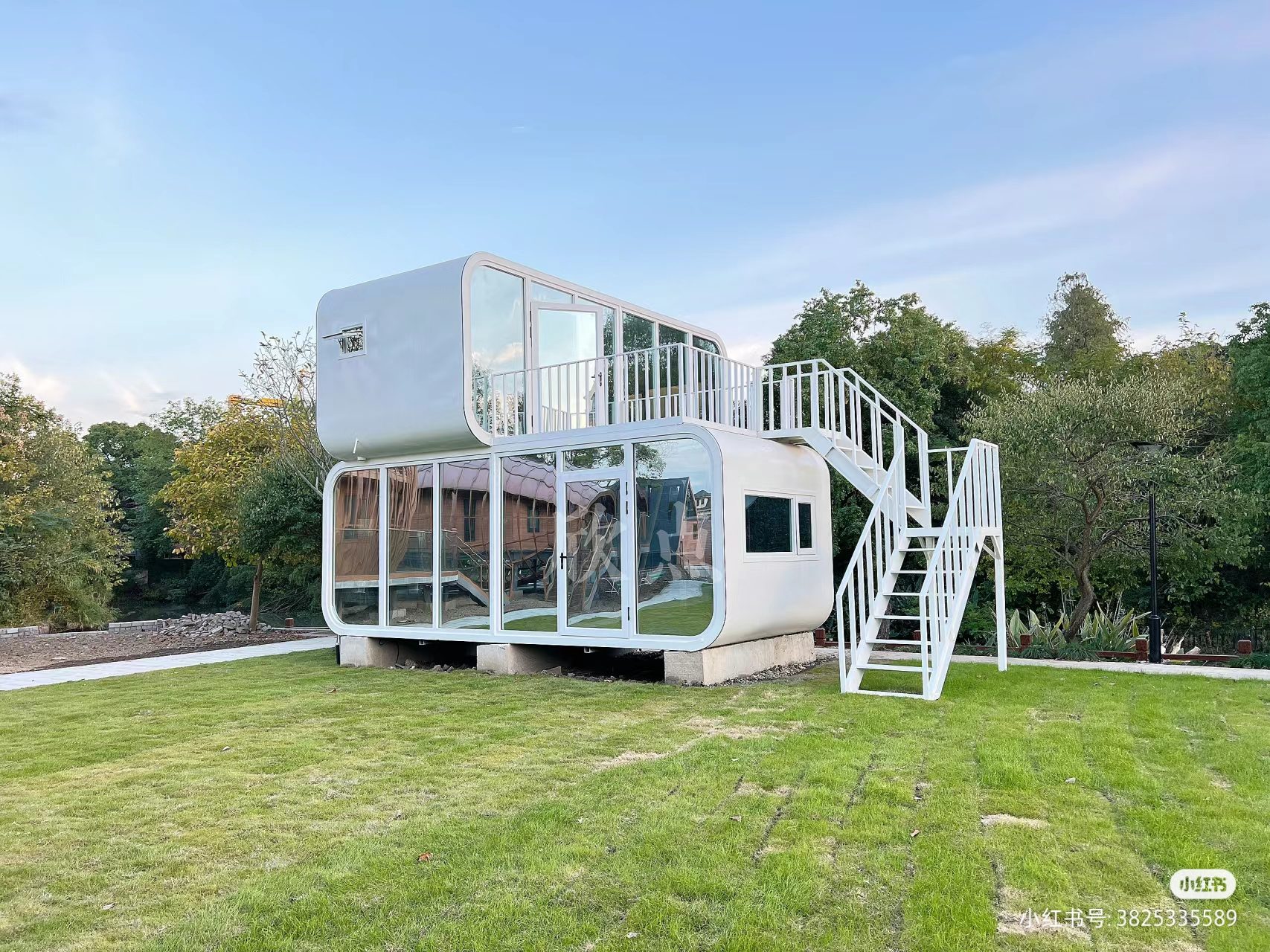
Expandable Container House vs Flat Pack Container House
Expandable and flat pack container houses ship in very different footprints, so the cheaper unit price is rarely the cheaper landed square metre. This guide compares floor area per shipped unit, unfolding, freight and labour.
Read article → Flat Pack vs Folding Container House: Which Is Better?
Compare flat pack and folding container houses on structure, assembly time, loading efficiency, re-use, insulation, and price. Use our decision matrix to choose the right type for your project.
Read article →Price & Cost
Payment Milestones for Container House Orders: Deposits, Balance and Escrow
The payment structure is the buyer's main protection and the seller's main cash-flow constraint. The right split depends on whether the unit is standard or custom, and on who is carrying the freight risk.
Read article →
What Is Inside a Container House Price: A Line-by-Line Breakdown
Two quotations for the same unit can differ by 40 percent and both be honest. The difference is what is inside them — steel gauge, panel core, fit-out scope, freight basis and what happens after the container lands.
Read article → Where to Find Container House Suppliers: Channels and How to Screen Them
The channel matters less than the screening. A trader with good quality control can serve you better than a factory with a weak one, but you need to know which you are buying from.
Read article → Building Codes for Container Houses by Country
Customs clears the container; a building official approves the building. Those are different processes, often run by different people, at different times.
Read article → Container House Market Trends: What Is Driving Demand
Demand is driven by projects that need beds or offices faster than conventional construction can deliver them, not by architecture.
Read article → What Is the MOQ for Wholesale Container Houses?
Wholesale MOQ for container houses is set by how many units fill a shipping container, not by an arbitrary unit count. This guide explains container fill, LCL options, mixed-model loads and distributor pricing tiers.
Read article → How Much Does a 20ft Expandable Container House Cost?
A 20ft expandable container house price depends on spec tier, accessories, and freight, not just the unit itself. This guide breaks down what each tier includes and how to compare supplier quotes line by line.
Read article → How Much Does a Container House Cost?
A container house price is built from structure, panels, doors and windows, electrical, plumbing, and fit-out. Learn what moves the number, FOB vs landed cost, and how to read a quotation.
Read article →Shipping & Logistics

Incoterms for Container House Orders: FOB, CIF, DAP and DDP Compared
The Incoterm decides who arranges the ship, who carries the risk while the container is at sea, and who is standing at the port when it arrives. Choose it deliberately, not because it was on the last order.
Read article → Loading Plan for Container Houses: 40HQ Packing, Weight and Lashing
A loading plan is a document, not a photo of a forklift. It fixes how many modules go in each container, where the heavy items sit, how the load is lashed and what the VGM will be — before the truck arrives at the port.
Read article → Importing Container Houses into Chile
Chile is an earthquake market with strict electrical approval. Seismic anchorage and SEC-compliant electrical components are the two gates.
Read article →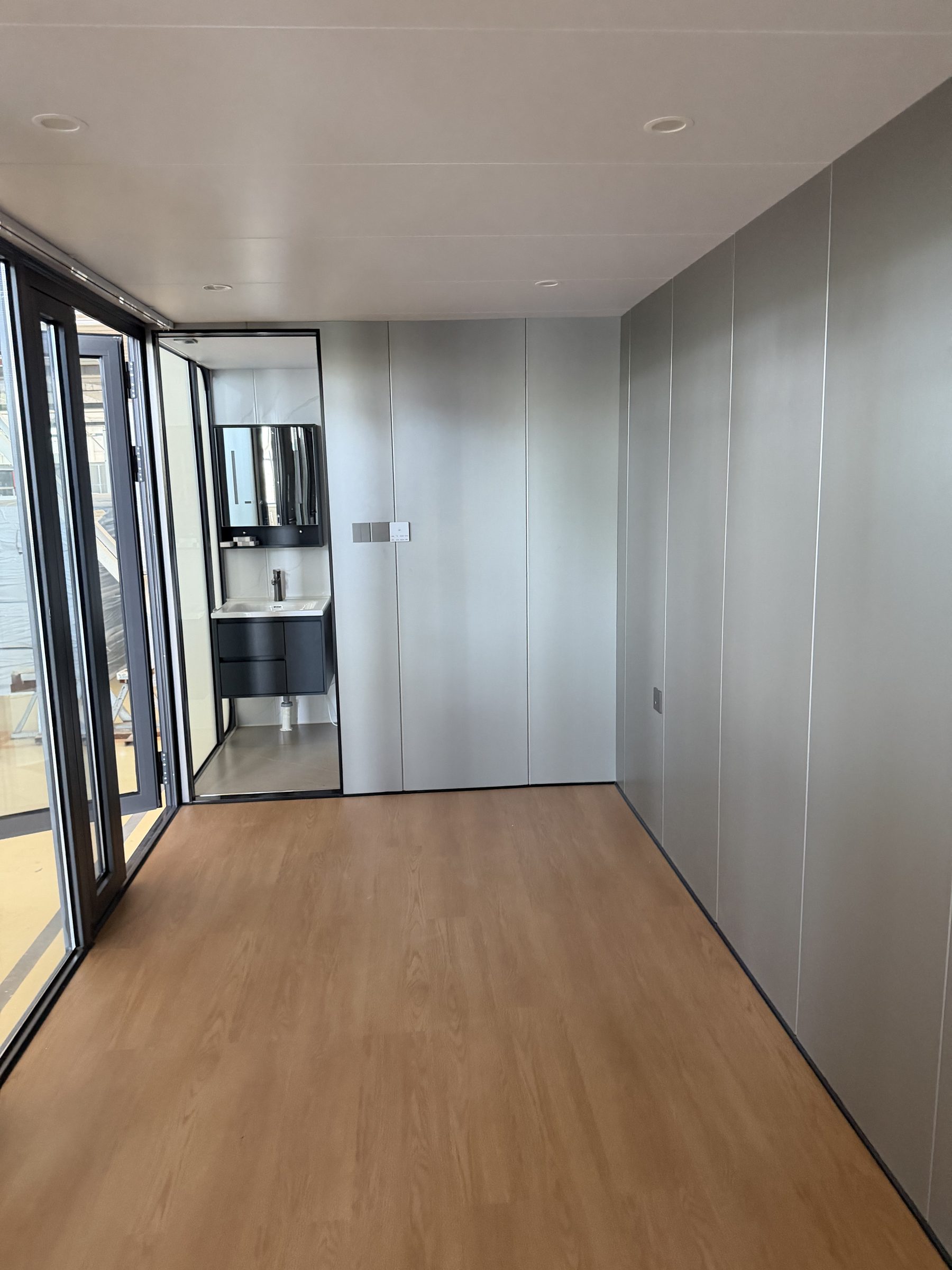
Importing Container Houses into the Philippines
The structural question dominates here: the Philippines is a typhoon market, and a unit designed for a mild climate will not pass engineering review.
Read article → Importing Container Houses into Kenya: PVoC and KEBS
Kenya requires conformity inspection in the country of supply. If the certificate is not issued before loading, the goods are inspected at Mombasa at your cost.
Read article → Importing Container Houses into Nigeria: SONCAP and Form M
Nigeria is a documentation market. Form M and SONCAP are opened before shipment, and PAAR is obtained before discharge.
Read article → Importing Container Houses into the UAE
The UAE clears goods quickly when the paperwork is right. Conformity for electrical goods and municipal approval for the structure are the two gates.
Read article → Importing Container Houses into Saudi Arabia: SASO and SABER
Saudi clearance is a conformity process before it is a customs process. Without a SABER certificate the goods sit at the port.
Read article → Container House Shipping Documents: A Complete Checklist
A missing certificate at the destination port costs more than the certificate. This is the full document set, who issues it and when it is needed.
Read article → HS Codes for Container Houses: Classification, Duty and Levies
Most container houses enter under heading 9406, but kits, parts and fitted interiors can be classified separately. The wrong code costs money in both directions.
Read article → Importing Container Houses into Australia: Biosecurity and NCC
Australia is strict on biosecurity and detailed on building performance. Timber packing and untreated floors are the two items that stop containers at the wharf.
Read article → Importing Container Houses into the UK: UKCA, Customs and VAT
The UK mirrors the EU product framework through UKCA, but building control and planning are separate. Get the order of approvals right and the container clears in days.
Read article → Importing Container Houses into the EU: CE Marking Reality Check
CE marking is not a sticker added at the port. It is a declaration by the economic operator placing the product on the market, backed by test reports and factory production control.
Read article → Importing Container Houses into the USA: Documents and Pitfalls
US clearance is usually straightforward for prefabricated buildings, but the classification, the bond and the panel chemistry questions need to be settled before the vessel sails.
Read article →
FOB vs CIF: Which Is Better When Importing Container Houses?
FOB gives you control of freight and clear risk transfer at the Chinese port; CIF looks simpler but hides margin in the freight rate. This guide compares both terms for container house buyers.
Read article → How to Calculate Container House Shipping Costs from China
Shipping a container house involves multiple cost components beyond ocean freight. This guide breaks down each charge and shows how to estimate volume and weight for an accurate budget.
Read article → How Many Flat Pack Container Houses Fit in a 40HQ?
A 40HQ usually carries 8 to 12 flat pack container houses, depending on panel pack size, weight and stacking rules. This guide explains the variables and how to get a written loading plan.
Read article →Installation & Technical

Winterising a Container House: Insulation, Frost and Snow Load
Cold is not the hard part — water is. A winterised container house fails through frozen pipes, snow load on a flat roof, and condensation freezing inside the wall.
Read article → Container Houses in Desert Heat: Shading, Roofs and Cooling Load
Desert heat is a solar problem more than an air-temperature problem. The roof gets the sun all day, and a unit that is shaded and ventilated needs a fraction of the cooling of one that is not.
Read article →
Container Houses in Hurricane and Typhoon Zones: Anchoring, Glazing, Shutters
In a storm zone the steel box is rarely the weak point — the anchorage, the openings and the roof edge are. Design those three and the unit performs; ignore them and it becomes debris.
Read article →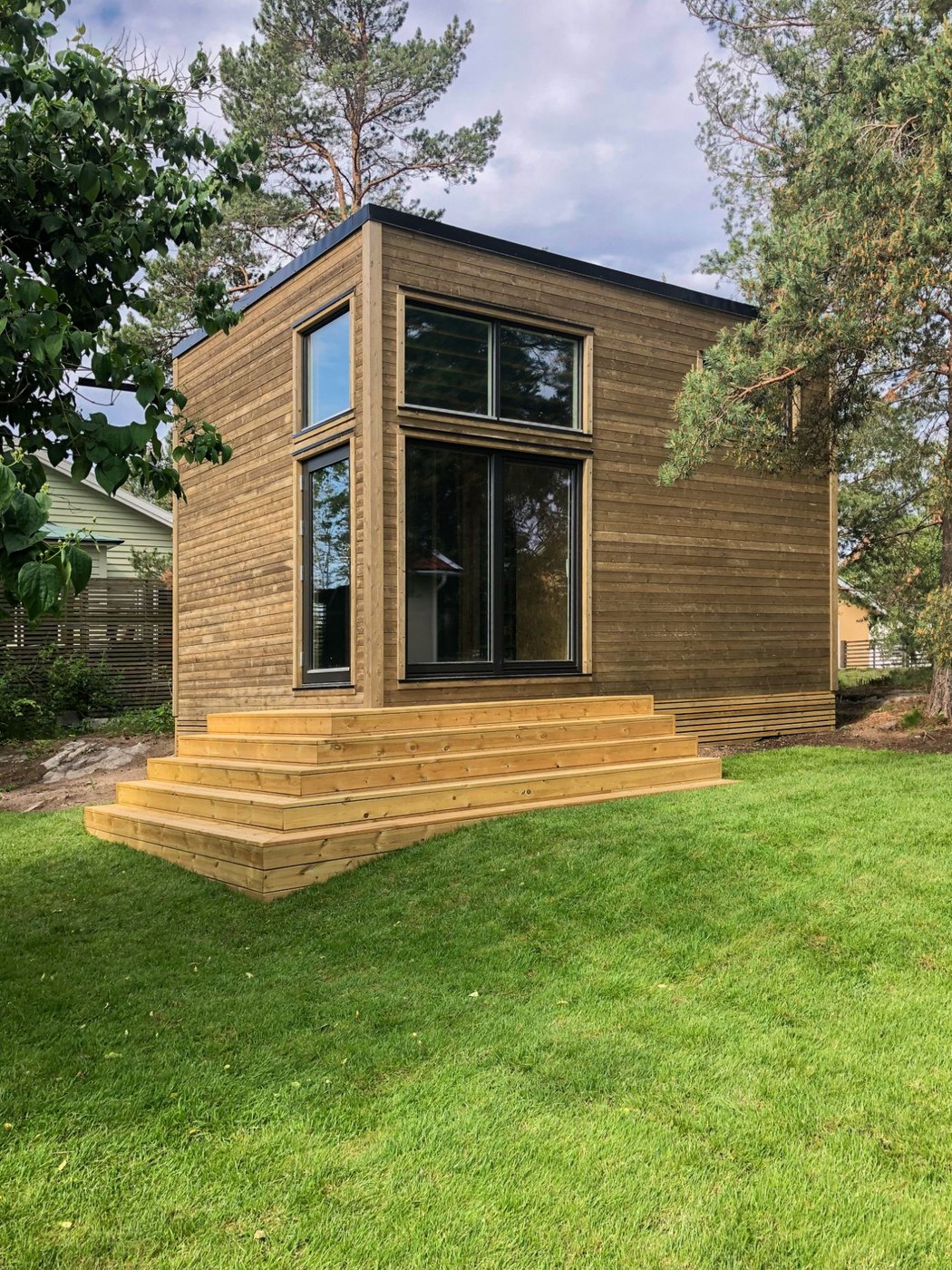
Corrosion Protection for Coastal Container Houses: Coatings, Fixings, Details
Coastal sites eat steel from the fixings outward. The frame coating matters, but the screws, the cut edges and the places water stands are what decide whether the unit lasts five years or fifteen.
Read article →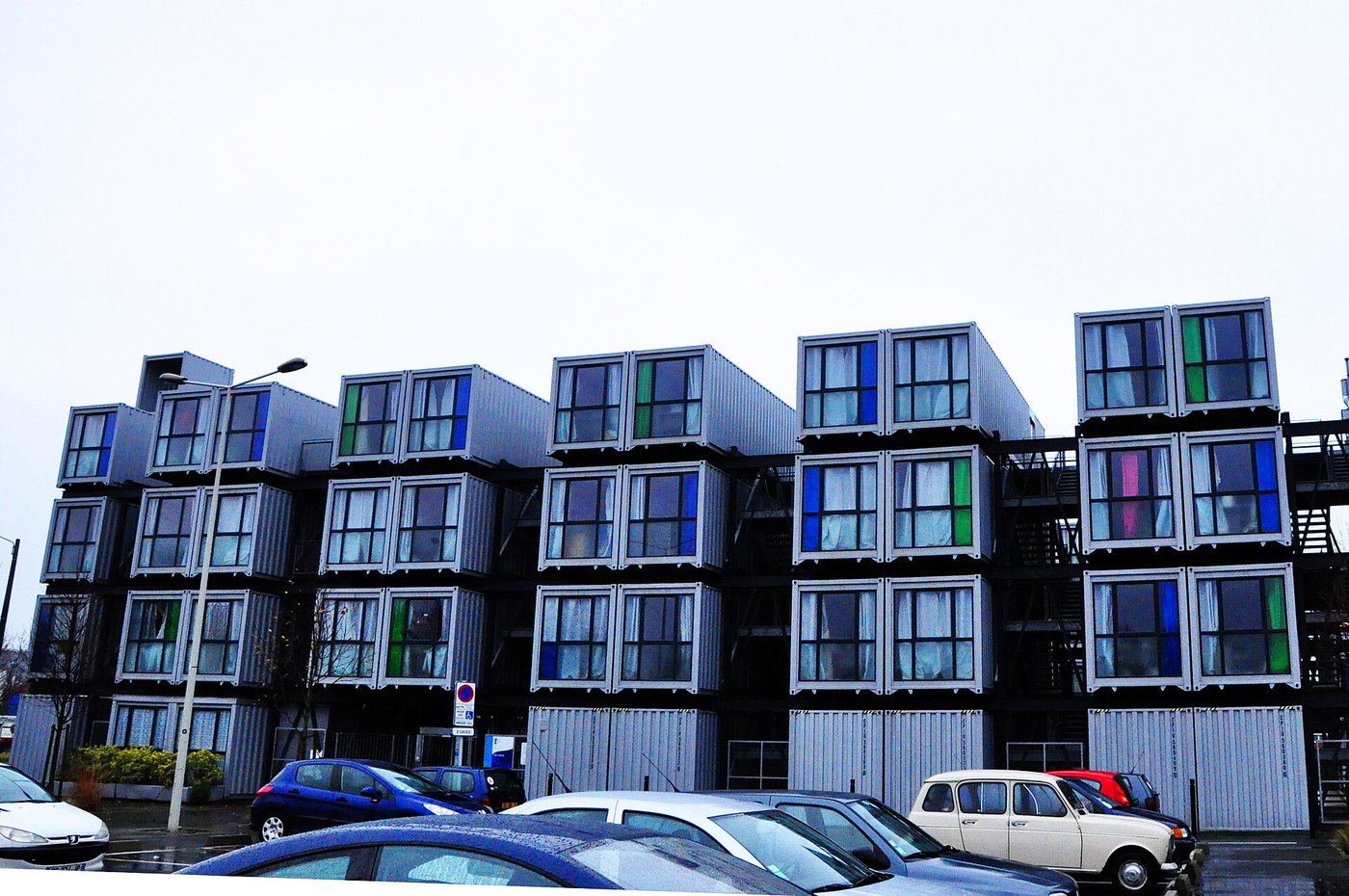
Container House Assembly: Crew Size, Tools and Hours per Module
The assembly labour estimate is usually wrong in the same direction — too few people, no lifting plan, and no allowance for the day lost to site access. Here is the realistic version.
Read article →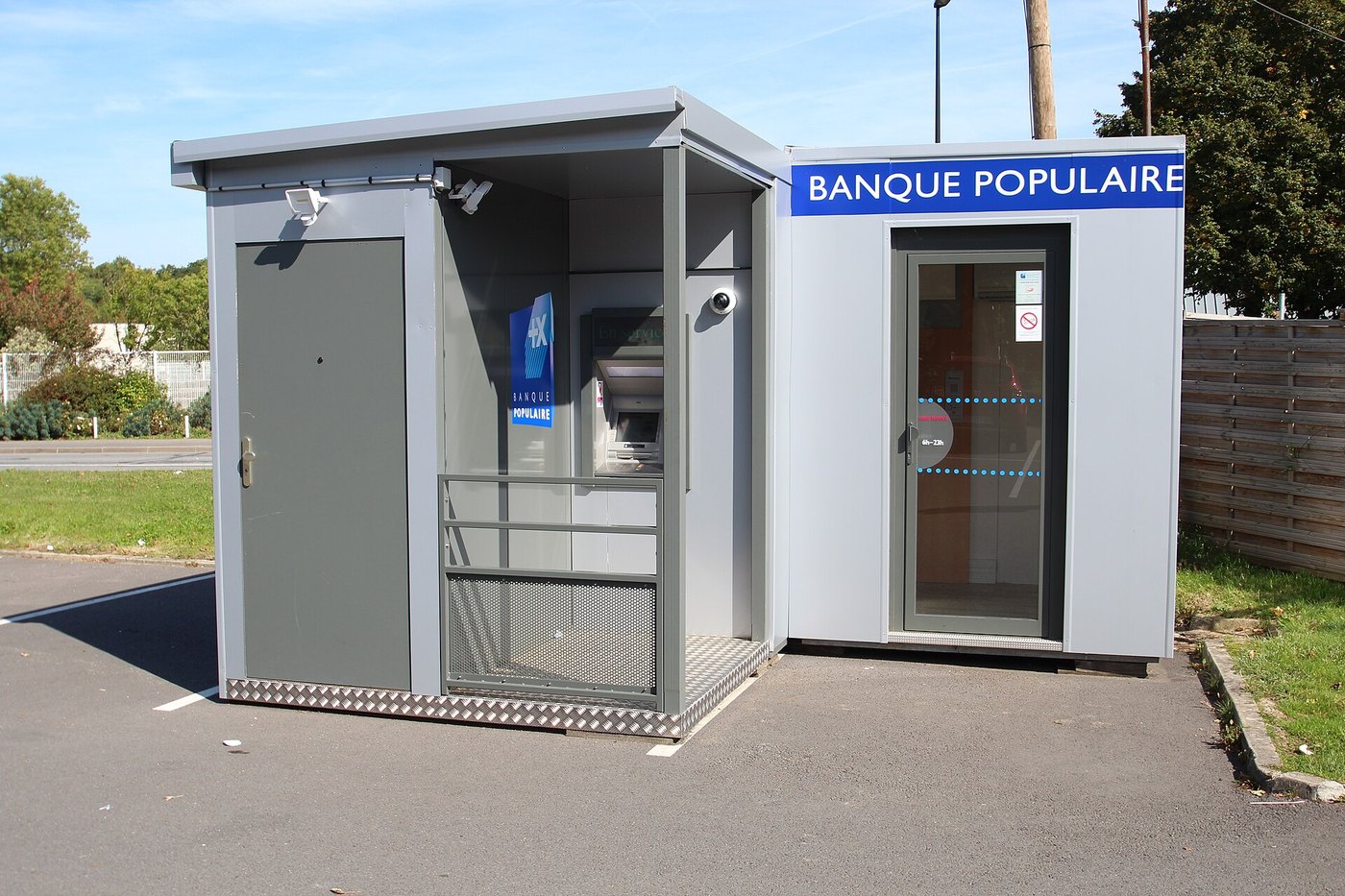
Plumbing and Waste Water in a Container House: Tanks, Septic and Frost
Most container house projects are off-grid for water. The plumbing decision is not about pipes — it is about where the water comes from, where the waste goes, and what happens in winter.
Read article →
Container House Electrical Standards by Country: Voltage, Plug and Breaker
A container house wired to the wrong standard is not a small problem — it is a re-wire on site, a failed inspection, or a fire. The electrical schedule should be fixed with the destination, not after the order.
Read article → Sandwich Panel Thickness by Climate: A Selection Table for Container Houses
Panel thickness is a climate decision, not an upgrade. The same 50 mm wall that performs in Kenya will sweat in a Gulf summer and lose heat in a Mongolian winter.
Read article → Container House Installation: Step-by-Step Site Guide
Folding and expandable units are working buildings within a day. Flat pack kits are a construction task measured in days per unit, with a crew and a sequence.
Read article → Foundation Requirements for Container Houses
The foundation does two jobs: carry the load and hold the unit down. Most site problems start with a foundation that only does the first.
Read article → Electrical and Plumbing Systems in Container Houses
Most site problems are not structural. They are a 230 V unit wired to a 120 V supply, or a drain with no fall because the floor was built flat.
Read article → Fire Rating for Container Houses: Classes, Spread and Escape
A panel class is a starting point, not a fire strategy. Spread between units, escape routes and penetration sealing decide the outcome.
Read article → Wind, Snow and Seismic Loads on Container Houses
The structure is rarely the problem. The anchorage is. Most container house failures in high-wind events are units that were never fixed to the ground.
Read article → EPS vs Rock Wool vs PU Panels for Container Houses
The core decides three things at once: how much heating you buy, how the panel behaves in a fire, and what the container weighs. Pick by climate and code, not by habit.
Read article → EPS vs Rock Wool Sandwich Panels for Container Houses
Compare EPS and rock wool sandwich panels for container houses on thermal performance, fire behaviour, weight, cost, moisture and acoustics. Learn which climate and building code favours each, and how to specify thickness.
Read article → What Materials Are Used in Flat Pack Container Houses?
Understand the materials that determine durability and cost in flat pack container houses. From steel frame sections to sandwich panel cores, this guide covers what to specify and what to verify.
Read article → How Long Does It Take to Install a Flat Pack Container House?
A flat pack container house installation typically takes 1–3 days per unit for a small crew, depending on site preparation and finishes. This guide breaks down the sequence, crew-hours, tools, and common mistakes.
Read article →Project Applications

Modular Classroom and Training Room: Acoustics, Ventilation and Seating
A training room in a steel box is either usable or exhausting, and the difference is ventilation, acoustics and daylight — not floor area.
Read article →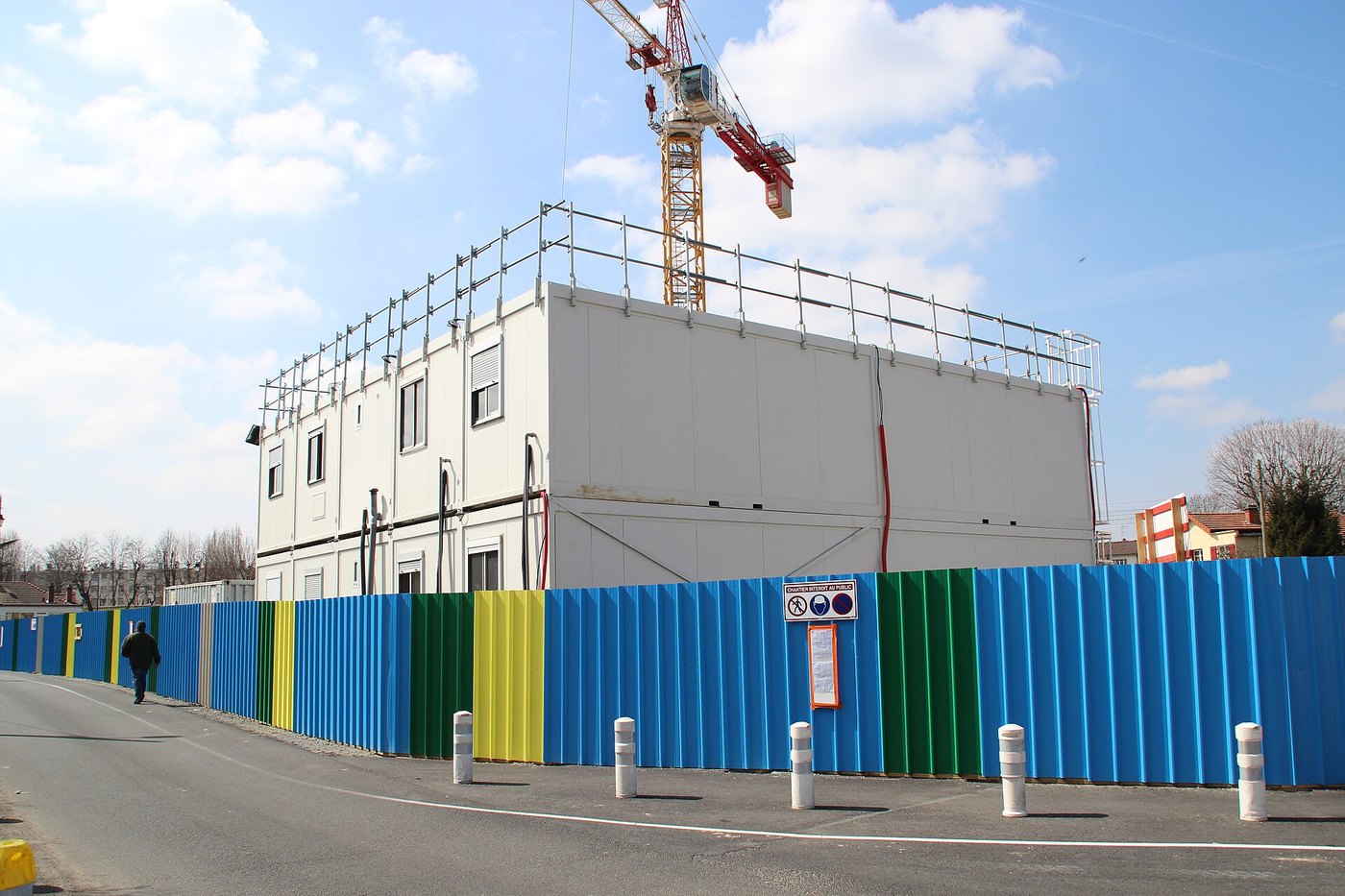
Gatehouse and Site Security Office: Turning a Module Into a Control Point
A gatehouse is a control point, not a shed with a chair. Visibility, vehicle stopping distance, power resilience and record keeping are what make it work.
Read article →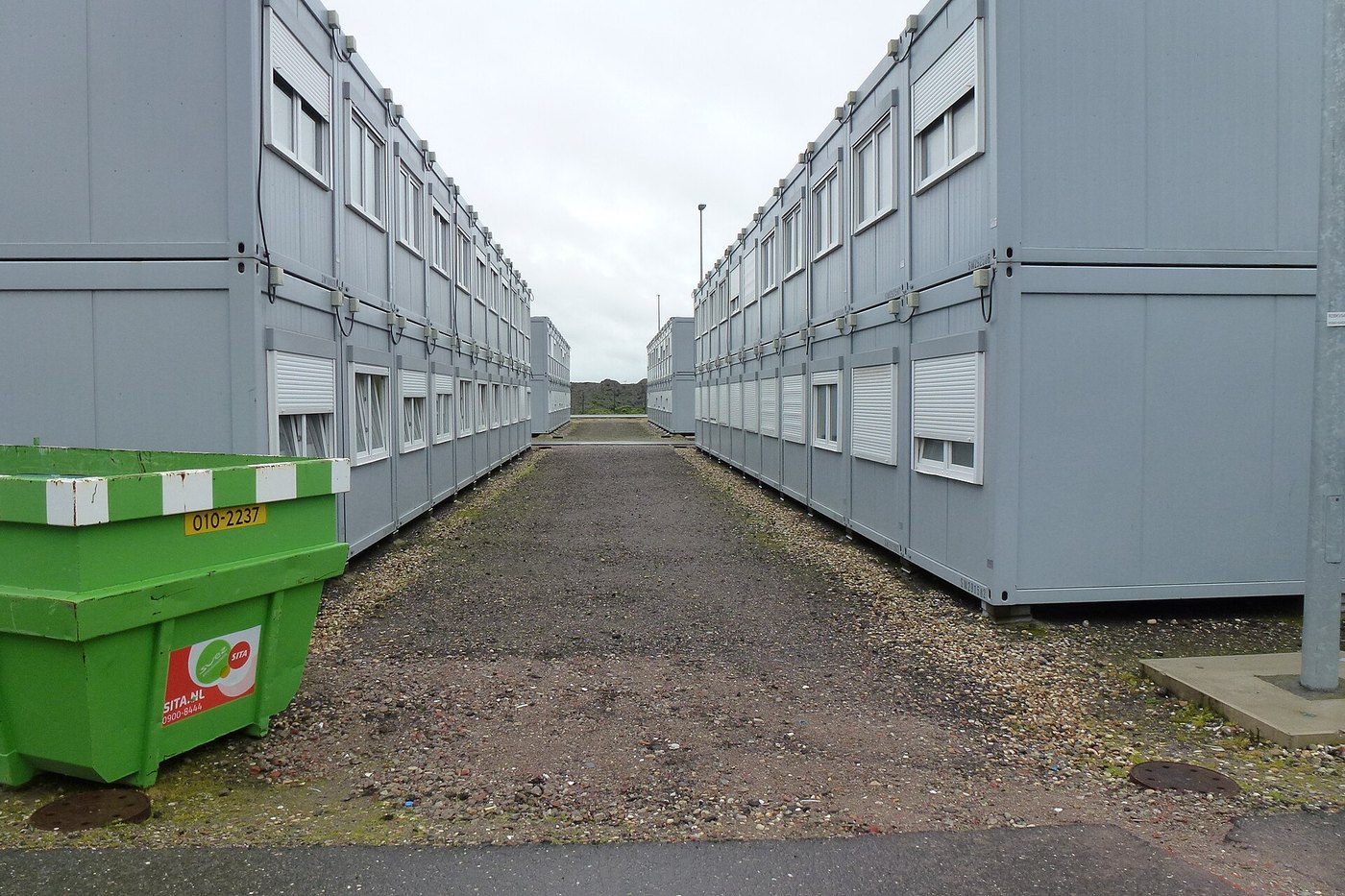
Ablution Block Design: Showers, Toilets and the Ratios That Matter
Ablution capacity is the item most often undersized in a camp plan, and it is the one that generates complaints on day two. The ratios are simple; the water, waste and ventilation behind them are not.
Read article →
Container Canteen and Kitchen Design: Capacity, Grease and Fire
Canteens are sized on meals per hour, not on seat count, and the kitchen module fails on grease, ventilation and fire separation long before it fails on space.
Read article →
Modular Clinic and First Aid Post: Layout, Services and Compliance
A clinic module is not an office with a couch. Patient flow, clean and dirty separation, water, power backup and records storage decide whether it functions — and whether it passes a health inspection.
Read article → Container House Factory Audit Checklist
An audit is not a tour. Six checks, half a day, and you know more than three months of email.
Read article → How Container Houses Are Manufactured: From Steel Coil to Shipping
A container house is a steel frame, a panel envelope and a fit-out, assembled in a fixed sequence. Every quality issue traces to one of those three stages.
Read article → Glamping and Resort Pods: Choosing Container Units That Earn
In hospitality the unit is a revenue asset: the decision is driven by nightly rate, plot count, service runs and how quickly a guest complaint can be fixed. That changes what to specify.
Read article → Container Housing for Oil and Gas Field Camps
Oil and gas clients audit more than price: they ask for hazardous area separation, fire strategy and documented inspection. These requirements change the building specification.
Read article → Container Housing for Mining Camps: Selection and Layout Guide
Remote camps fail on services and logistics, not on the buildings. This guide covers bed planning, ablution ratios, spacing, power and the specification lines to lock before ordering.
Read article →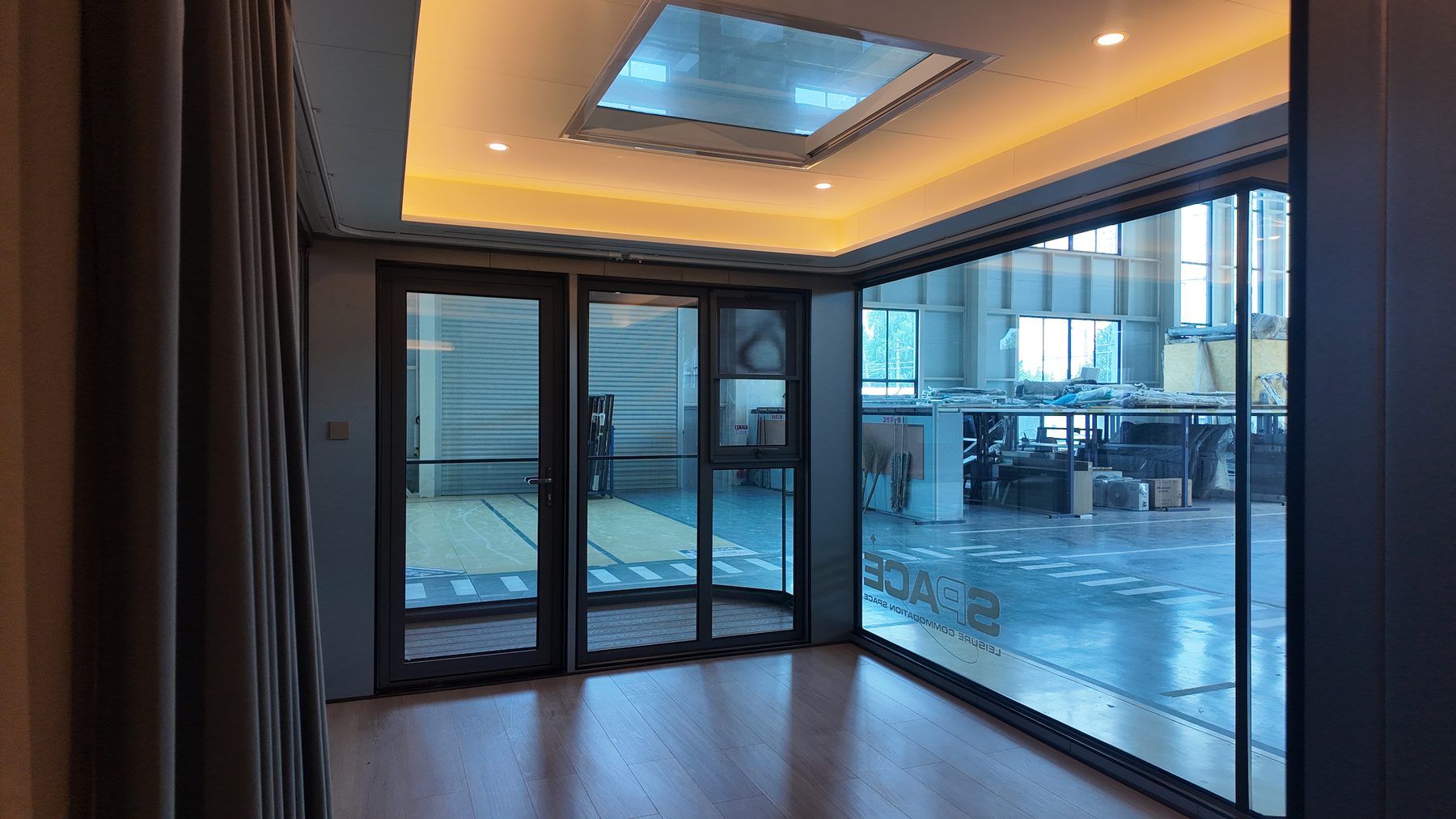
What Is the Best Container House for Remote Construction Sites?
Remote sites punish the wrong unit choice through transport delays and slow assembly. This guide sets out the decision criteria and compares flat pack, folding, expandable and capsule units for off-grid conditions.
Read article → How to Plan a Modular Mining Camp
Remote logistics, dust, climate and phased headcount all shape a mining camp layout. This guide covers sizing, wet and dry blocks, utilities, transport limits and HSE planning.
Read article → How to Plan Accommodation for 100 Construction Workers
A practical guide to planning construction worker accommodation for 100 workers using container housing. Covers occupancy assumptions, unit mix, area calculation, layout, utilities, phasing and budget drivers.
Read article →Quick answers
115 buyer questions answered in short form.
Need a quotation for your project?
Send your layout and destination port. We reply with price, specification sheet and container loading plan within one working day.