What Drives a 20ft Expandable Container House Price
Updated 2026-11-01 · JIUJIAN GLOBAL technical team
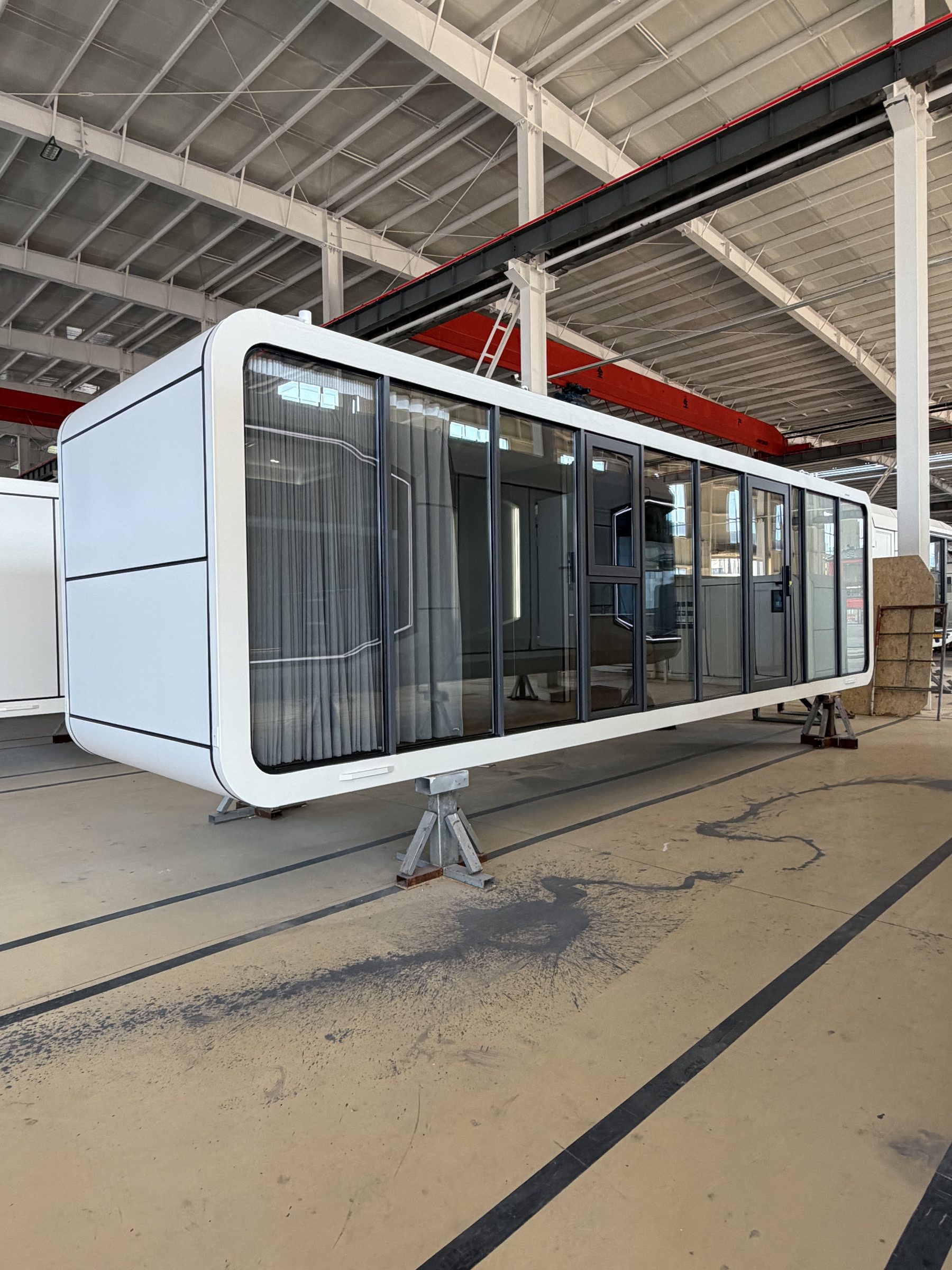
A 20ft expandable container house price typically falls into three tiers: shell-only, insulated, and fully fitted. Shell units are the cheapest, insulated units add panel and glazing cost, and fully fitted units include electrical, plumbing, and finishes. Freight per unit and accessory choices often move the total more than the base spec.
A 20ft expandable container house price is not a single number. It depends on the specification tier you choose, the accessories you add, and the freight cost to your port. Most buyers who ask for a price are quoted a shell unit, then discover later that insulation, electrical, plumbing, and interior finishes are extra. The practical way to budget is to price each tier separately, list accessories as line items, and compare quotes against the same scope. Typical market ranges vary widely by tier and destination, so confirm with your supplier before committing to a budget.
The three specification tiers and what each includes
Suppliers of container houses usually quote expandable units in one of three tiers. The names differ between factories, but the scope is broadly consistent.
Tier 1: shell only
The shell tier is the structural envelope. It typically includes the steel frame, corner castings, folding or sliding wing mechanism, floor decking, and exterior wall panels without interior lining. Windows and doors may be openings only, or basic units fitted. There is no electrical wiring, no plumbing, and no interior finish. This tier suits buyers who have local labour and materials and want to control the fit-out themselves. It carries the lowest unit price but the highest on-site labour cost.
Tier 2: insulated
The insulated tier adds sandwich panels with an insulation core, usually EPS or rock wool, plus interior wall lining and ceiling panels. Windows are normally fitted with glass and frames, and doors are hung. This tier is the common choice for accommodation, site offices, and canteens in moderate climates. It still excludes electrical circuits, plumbing, sanitary fittings, and furniture unless specified. Insulation type matters: EPS is cheaper, rock wool costs more but improves fire performance. Ask which core is quoted before comparing prices.
Tier 3: fully fitted
The fully fitted tier includes the insulated envelope plus electrical wiring with distribution board, sockets, switches, and light fittings, plumbing rough-in and sanitaryware, internal doors, floor finish, and often kitchen or bathroom modules. Some suppliers include furniture and air conditioning. Fully fitted units arrive close to turnkey, which reduces on-site labour but raises the unit price and the packed volume. For a double-wing layout, see the double wing expandable container house range, which follows the same tier logic.
Specification comparison at a glance
| Item | Shell only | Insulated | Fully fitted |
|---|---|---|---|
| Steel frame and folding mechanism | Included | Included | Included |
| Exterior wall panels | Included | Included | Included |
| Insulation core | Not included | EPS or rock wool | EPS or rock wool |
| Interior wall and ceiling lining | Not included | Included | Included |
| Windows and doors | Openings or basic | Fitted | Fitted |
| Electrical wiring and fittings | Not included | Not included | Included |
| Plumbing and sanitaryware | Not included | Not included | Included |
| Floor finish | Bare deck | Basic | Finished |
| Furniture and appliances | Not included | Optional | Optional or included |
| Relative unit price | Lowest | Middle | Highest |
Accessories that change the price
Accessories are where two quotes for the same tier often diverge. Each item below should appear as a separate line in a quote, with quantity and unit price.
- Insulation upgrade: moving from EPS to rock wool panels raises cost but improves fire performance and acoustic comfort.
- Window specification: single glazing versus double glazing, aluminium versus PVC frames, and fly screens all change cost.
- Air conditioning: split units, mounting brackets, and wiring provisions add both product and packing cost.
- Bathroom module: prefabricated shower, toilet, and basin units are a significant line item compared with a bare room.
- Kitchen unit: cabinets, sink, and countertop are usually priced per unit.
- Furniture package: beds, tables, chairs, and wardrobes vary widely by supplier and are often optional.
- Stairs and canopy: external stairs, handrails, and entrance canopy are frequently excluded from base quotes.
- Electrical standard: plug type, voltage, and certification requirements for the destination market affect component cost.
- Flooring upgrade: vinyl, laminate, or timber-look finishes are priced per square metre.
- Solar and off-grid options: panels, batteries, and inverters are quoted separately.
Freight per unit: the number buyers underestimate
A 20ft expandable container house folds or slides into a transport envelope close to a standard 20ft container, which is one reason it is popular for export. Even so, freight is charged per unit or per container slot, and it can represent a large share of the landed cost. Freight depends on the packed dimensions, gross weight, destination port, and shipping line surcharges at the time of booking. Fully fitted units weigh more and may pack differently from shell units, so always request the packed volume and gross weight with the quote. For a broader cost picture including shipping, see container house cost. Compare FOB and CIF terms carefully, because a low unit price with CIF freight can still be more expensive than a higher FOB price with your own forwarder.
How to compare two quotes line by line
Two quotes for a 20ft expandable container house price are rarely like for like. Use the following sequence to normalise them.
- Confirm the tier. Ask each supplier to state whether the quote is shell, insulated, or fully fitted, and to list inclusions.
- Match the panel specification. Compare panel thickness, core material, and steel sheet thickness. A thinner panel at a lower price is not the same product.
- Check the frame. Ask for steel grade, frame section sizes, and surface treatment. Galvanised or painted frames differ in cost and durability.
- List electrical and plumbing scope. Confirm whether wiring, distribution boards, sockets, lights, and sanitaryware are included or excluded.
- Compare accessories one by one. Put both quotes into a table with quantity and unit price for each accessory.
- Normalise freight terms. Compare FOB with FOB, or CIF with CIF to the same port. Ask for packed dimensions and gross weight.
- Check certification and testing. Confirm what quality documentation is included, such as test reports or inspection certificates.
- Review packing. Ask how the unit is protected for sea freight, since poor packing leads to damage and rework cost.
- Confirm payment and lead time in writing. Compare the commercial terms, not only the price.
For a structured comparison method, the guide on comparing container house suppliers in China walks through the same checklist.
How JIUJIAN GLOBAL handles this
JIUJIAN GLOBAL, the brand of Shandong Jiujian Integrated Housing Co., Ltd., manufactures expandable container houses at its factory in Weifang, Shandong, and has exported since 2020 to more than 100 countries. Quotes are built by specification tier so buyers can see what is included at shell, insulated, and fully fitted levels. The company works to ISO 9001 quality system requirements, holds CE marking, uses CNAS-accredited testing, accepts BV pre-shipment inspection, and offers asbestos-free panels for the Australian market.
Where to go next
Before requesting prices, decide the tier, climate, occupancy, and destination port. Then ask for a quote that separates product, accessories, packing, and freight. Review the quality control process and certifications so you can compare documentation as well as price. For custom layouts, see OEM customization, and send your specification through the request a quote form. If you are also considering other product lines, the products page covers flat pack, folding, expandable, modular, apple cabin, and space capsule units.
Next step: get a real quotation
Tell us the destination port and the quantity, and we send a priced offer with drawings and a loading plan. Most enquiries are answered within one working day.