Structuring Payments on a Container House Order Without Losing Leverage
Updated 2026-11-01 · JIUJIAN GLOBAL technical team
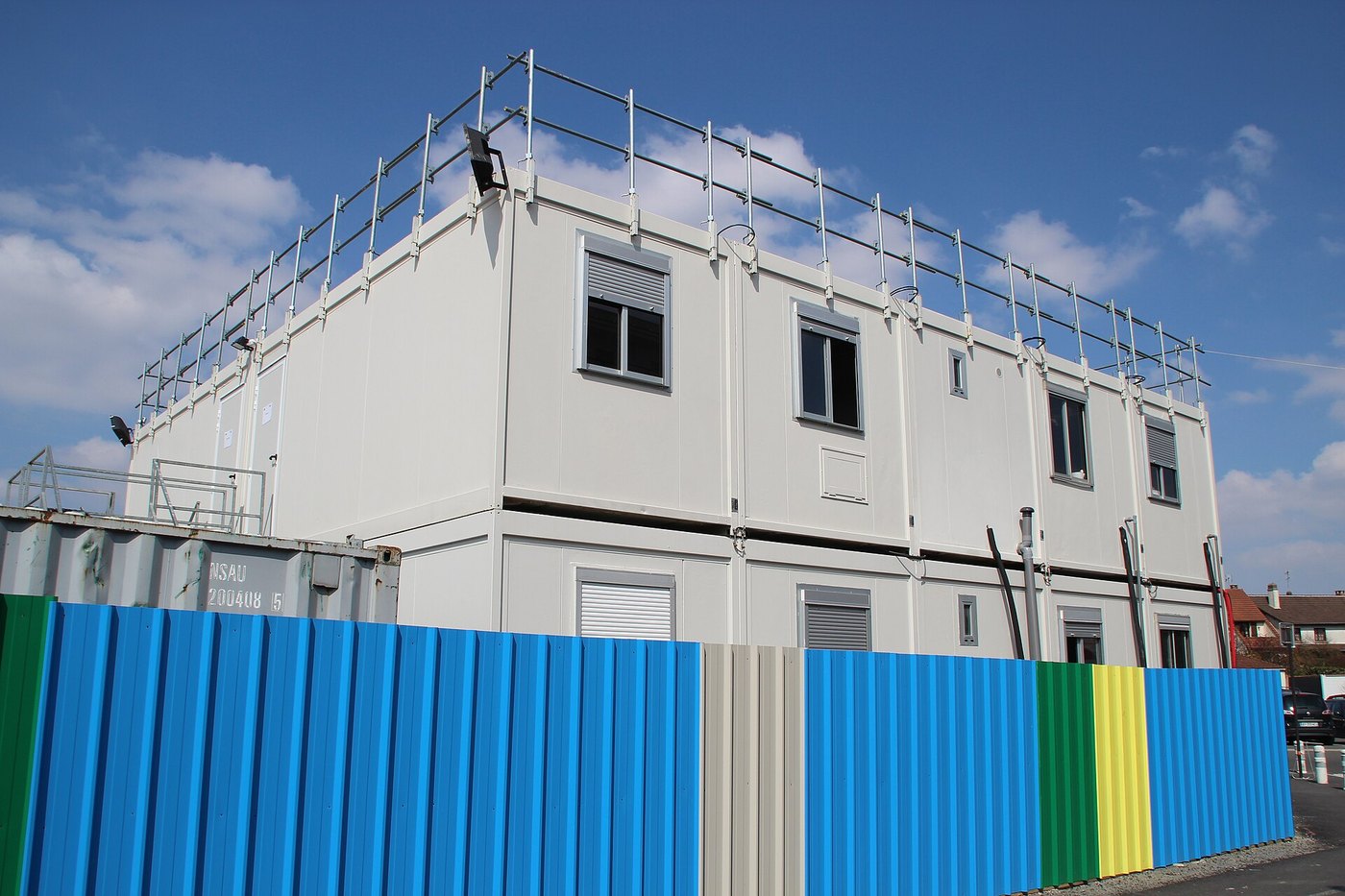
The common structure is 30 percent deposit at order, 70 percent before shipment against inspection photos or a pre-shipment inspection report. Custom or large orders move to 30/30/40 or a letter of credit. Never pay the balance before you have seen evidence the container is loaded and the documents match.
Nobody enjoys the payment conversation, and it is the part of the order where buyers have the least leverage once money has moved. A structure agreed before production is worth more than any warranty clause signed afterwards.
Typical structures
| Structure | Used for | Protects the buyer by |
|---|---|---|
| 30% deposit / 70% before shipment | Standard units, first orders, small quantities | Balance released only against loading evidence |
| 30% / 30% at production milestone / 40% before shipment | Custom layouts, larger orders | Two checkpoints instead of one |
| Letter of credit at sight | Larger orders, buyers with bank relationships | Payment against documents, not against promises |
| Deposit / balance against copy of bill of lading | Established relationships | Balance due when the goods are demonstrably shipped |
What the balance should be released against
"Before shipment" is too vague to be useful. Define the trigger in the contract:
- Loading photographs showing the container number and seal
- Packing list and invoice matching the approved specification
- Test reports: electrical test, water pressure test
- Third-party inspection report where one was commissioned
- Copy of the bill of lading or the booking confirmation
Then pay within a stated number of days of receiving the pack. This turns a trust question into a checklist, which is easier for both sides.
Where buyers get hurt
- Paying 100 percent up front to a supplier with no verifiable factory, on the promise of a discount. The discount is a few percent; the exposure is everything.
- Paying the balance before inspection, then discovering the units were built to the wrong electrical standard.
- Releasing payment against photos of a different project. Ask for the container number and a dated image, and cross-check it against the loading plan.
- Ignoring the bank details change. Payment-diversion fraud is common in this trade: a spoofed email changes the beneficiary account. Confirm any change by a second channel, on a number you already had.
Escrow and inspection services
For a first order with an unfamiliar supplier, a third-party inspection before the balance is the cheapest insurance available — typically a small fraction of the order value. Escrow services exist but are rarely used in this product category because the documentary side of a letter of credit does the same job for buyers with a bank.
What a supplier can reasonably ask
A 30 percent deposit is genuinely needed: material, panels and steel are bought up front and a factory cannot finance a custom order from its own balance sheet indefinitely. A supplier who asks for nothing up front is either not going to build it or is pricing the risk in elsewhere. The negotiation is about the checkpoints in the middle, not about whether a deposit exists.
Need this priced for your project?
Send the unit type, quantity, destination port and any layout drawing. We reply with a specification-matched quotation and lead time, usually within one working day.
Request a quotation WhatsApp our team
Related: all container house products · custom container house · contact
Next step: get a real quotation
Tell us the destination port and the quantity, and we send a priced offer with drawings and a loading plan. Most enquiries are answered within one working day.