Container House Price: What Drives Cost and How to Budget
Updated 2026-11-01 · JIUJIAN GLOBAL technical team
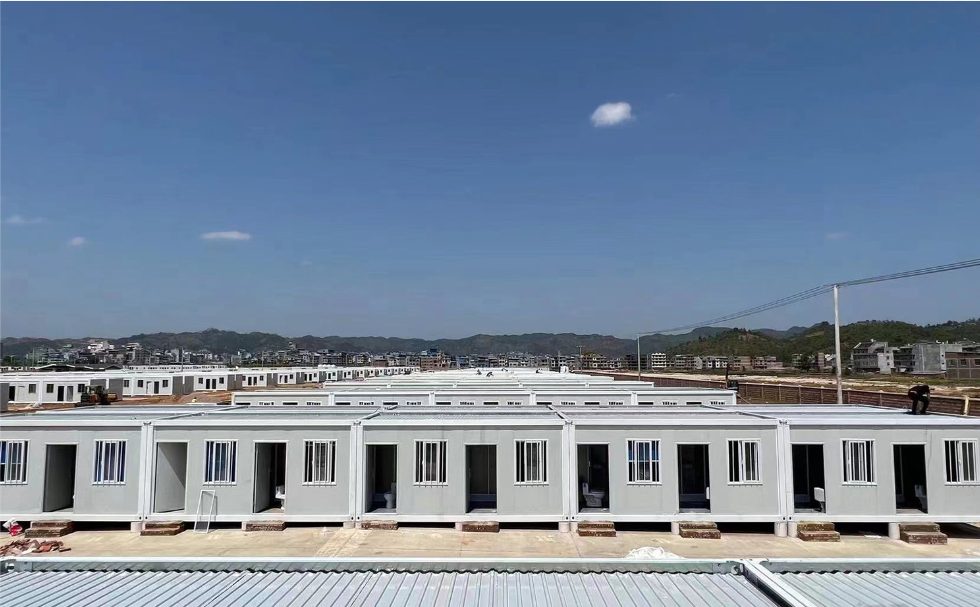
A container house price typically ranges from a few thousand to over ten thousand USD per unit, depending on size, configuration, materials, and fit-out level. Structure and panels set the base; electrical, plumbing, and interior finishes add the rest. Always request a detailed quotation and confirm what is included, FOB or landed.
If you are sourcing container houses for a project, the first question is usually: what will it cost? The answer is not a single number but a range built from several cost layers. A bare shell and a fully fitted living unit can differ by several times in price. This article breaks down the cost structure, explains what moves the price, clarifies FOB versus landed cost, and shows how to read a quotation so you can compare suppliers on equal terms.
The cost structure of a container house
Every container house quotation is a sum of parts and services. Understanding these layers helps you see where money goes and where suppliers may cut corners.
1. Structure and frame
The structural frame—corner posts, beams, and floor joists—is the backbone. It determines load capacity, wind and snow resistance, and stackability. Steel grade and thickness, welding quality, and surface treatment (paint or galvanizing) all affect cost. A heavier, galvanized frame costs more but lasts longer, especially in coastal or corrosive environments.
2. Wall and roof panels
Sandwich panels are the standard enclosure. The core material (EPS, rock wool, PU, or glass wool), density, and thickness drive price. EPS is the most economical; rock wool adds fire resistance; PU offers better thermal performance. Panel thickness (50 mm, 75 mm, 100 mm) also changes cost. For the Australian market, asbestos-free panels are essential, and suppliers should provide test reports.
3. Doors and windows
Standard units often include a steel security door and PVC or aluminum sliding windows. Upgrades to double glazing, thermal break aluminum, or larger openings increase cost. Hardware quality—locks, hinges, handles—also matters for durability and security.
4. Electrical system
Electrical scope varies widely. A basic package may include pre-wired lighting, switches, sockets, and a distribution box. More complex requirements—air conditioning circuits, external hookups, or compliance with local standards—add cost. The number of circuits and the quality of components (breakers, wiring gauge) are cost drivers.
5. Plumbing and sanitary
If the unit includes a bathroom or kitchen, plumbing adds cost. This covers pipes, fittings, water heater provisions, toilet, basin, and shower. The level of finish—basic or premium—and the complexity of the layout affect the price. For projects without wet areas, this layer can be omitted.
6. Interior fit-out
Fit-out ranges from bare shell to fully furnished. Flooring (vinyl, laminate, ceramic tiles), ceiling, wall lining, cabinetry, and furniture all add cost. A bare shell is cheapest; a turnkey living unit with kitchen and bathroom is at the top end. Fit-out is often the largest variable after structure.
What moves the container house price
Beyond the bill of materials, several factors shift the final number. Being aware of them helps you budget and negotiate.
- Size and layout: A 20ft unit costs less than a 40ft, and custom layouts with more partitions or wet areas increase cost.
- Material specifications: Thicker steel, higher-density panels, fire-rated cores, and branded electrical components raise the price.
- Customization: Standard designs are cheaper; custom dimensions, colors, and features require new drawings and production setup.
- Order quantity: Larger orders benefit from economies of scale in production and shipping. MOQ policies vary by supplier.
- Certification and testing: CE marking, ISO 9001, and third-party inspection add cost but reduce risk.
- Shipping and logistics: Distance, shipping method, and season affect freight. Flat pack and folding units save space and reduce shipping cost per unit.
FOB vs landed cost: what you actually pay
A supplier's quotation is often FOB (Free On Board), meaning the price includes delivery to the named port and export clearance, but not international freight, insurance, import duties, or inland transport. Landed cost is the total you pay to get the unit to your site. Always compare on a landed basis to avoid surprises.
| Cost component | FOB | Landed |
|---|---|---|
| Product and packaging | Included | Included |
| Inland transport to port | Included | Included |
| Export clearance | Included | Included |
| Ocean freight | Excluded | Included |
| Insurance | Excluded | Included |
| Import duties and taxes | Excluded | Included |
| Port charges and inland delivery | Excluded | Included |
Ask your supplier for a landed cost estimate or work with a freight forwarder. Note that duties and taxes vary by country and product classification; confirm with your customs broker.
How to read a container house quotation
A quotation should be detailed enough to compare apples to apples. Look for the following:
- Scope of supply: What is included (structure, panels, doors, windows, electrical, plumbing, fit-out) and what is excluded (foundation, installation, crane, transport).
- Specifications: Steel thickness, panel type and thickness, window glazing, electrical component brands, plumbing fixtures.
- Drawings: Layout and elevation drawings attached to confirm dimensions and configuration.
- Packaging: How the units are packed for shipping (flat pack, folding, or assembled) and whether packaging is included.
- Delivery terms: FOB port, estimated lead time, and shipping terms.
- Payment terms: Deposit and balance schedule.
- Certification: Copies of ISO 9001, CE, or test reports as applicable.
If a quotation lacks these details, ask for a revised version. A low price with vague scope often leads to extras later.
Common hidden costs
Even a detailed quotation may omit costs that appear later. Watch for these:
- Foundation and site preparation: Container houses need a level base—concrete pads, piers, or a slab. This is usually not included.
- Installation labor and equipment: Flat pack and folding units require assembly; expandable units need lifting equipment. Confirm whether installation supervision is included.
- Crane and handling: At the port and on site, lifting costs can add up.
- Customs clearance and duties: Vary by country; factor them into your budget.
- Compliance modifications: Local building codes may require changes (e.g., egress windows, electrical standards) that add cost.
- Optional features: Air conditioning, furniture, solar panels, and signage are often extra.
Discuss these with your supplier upfront and ask for a list of exclusions.
Typical market ranges
As a rough guide, a basic flat pack container house might fall in the low thousands of USD, while a fully fitted expandable unit with bathroom and kitchen can be several times that. Prices vary by specification, quantity, and market conditions. Always confirm with your supplier and compare multiple quotations.
How JIUJIAN GLOBAL handles this
JIUJIAN GLOBAL (Shandong Jiujian Integrated Housing Co., Ltd.) provides detailed quotations with clear scope and specifications. Our factory in Weifang, Shandong, operates under ISO 9001 and produces CE-marked container houses with CNAS-accredited testing and BV pre-shipment inspection. We offer asbestos-free panels for the Australian market and have exported to 100+ countries since 2020.
Next steps
To get an accurate container house price, define your requirements: size, layout, fit-out level, and destination. Then request a quotation with a detailed scope. For further reading, see our guide on FOB vs CIF container house import.
Ready to discuss your project? Request a quote or contact us.
Next step: get a real quotation
Tell us the destination port and the quantity, and we send a priced offer with drawings and a loading plan. Most enquiries are answered within one working day.