Relocating a Container House Without Destroying It
Updated 2026-11-01 · JIUJIAN GLOBAL technical team
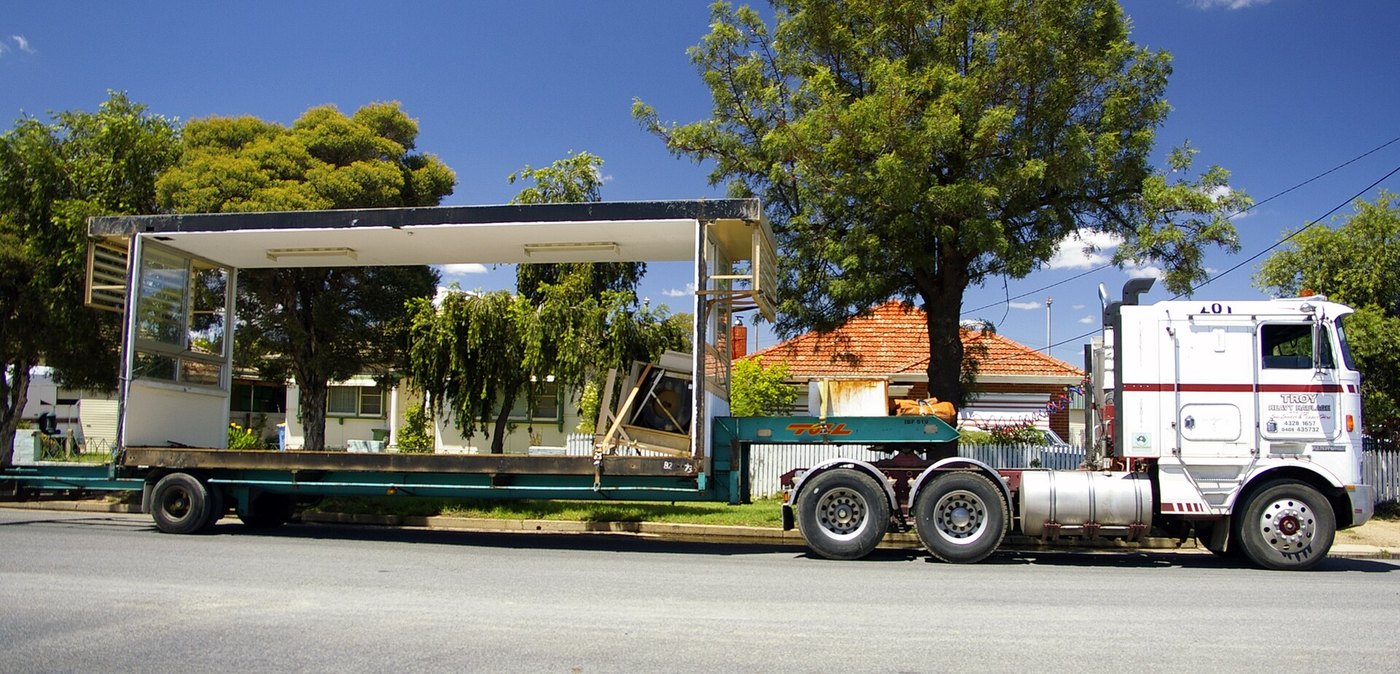
A flat pack module can be dismantled and re-erected roughly two to three times before panels and seals degrade, an expandable unit one to two times with care, and a capsule unit is usually moved whole rather than dismantled; budget for new sealant, fixings and one panel allowance per move.
Relocatability is one of the reasons buyers choose modular construction: a camp that moves with the project, a site office that follows the contract. The economics work, but only if the move is planned with the same care as the first installation.
What survives
| Component | Survives moves | Notes |
|---|---|---|
| Steel frame and corner posts | Yes, many times | Check for deformation at lifting points after each move |
| Sandwich panels | Typically 2–3 moves | Handling damage at edges; cut edges corrode if resealing is skipped |
| Floor and roof cassettes | Yes with care | Roof is the most damaged in transport because it is loaded last and unloaded first |
| Windows and doors | Usually | Frames distort if the module is racked during lifting |
| Sealant and gaskets | No | Replace at every re-erection; old sealant will not seal twice |
| Fixings | No | Self-drilling screws do not hold reliably in the same hole; use new ones |
| Fit-out (bathroom pod, kitchen) | Usually | Drain connections are the usual casualty |
The costs nobody budgets for
- Dismantling labour — roughly comparable to erection labour, sometimes more
- Packing — original packing rarely survives; crates and protection are a real cost
- Freight — a dismantled unit is less efficient to ship than the factory-optimised original
- Consumables — sealant, fixings, touch-up paint, new gaskets
- Damage allowance — one panel per 10 units per move is a realistic provision
- Re-certification — electrical re-test and, in some jurisdictions, a fresh inspection
Planning the move
- Photograph and label every panel and cassette before dismantling; the labelling scheme from the factory is the best template
- Dismantle in reverse erection order, roof first
- Inspect and record damage as it comes apart, not after it arrives
- Bundle and crate by unit, not by component type — mixing panels from different units is the classic relocation error
- Re-erect on a checked foundation; a new site means a new level survey
When relocation is the wrong answer
If the unit has been in place for many years in a humid or coastal environment, the fixings and cut edges may be corroded to the point where dismantling causes more damage than the residual value justifies. In that case selling the unit in place and buying new at the next site is often cheaper than moving it. The decision test is simple: inspect the base rails and fixings, and if corrosion is structural rather than cosmetic, do not move it.
Need this priced for your project?
Send the unit type, quantity, destination port and any layout drawing. We reply with a specification-matched quotation and lead time, usually within one working day.
Request a quotation WhatsApp our team
Related: all container house products · custom container house · contact
Next step: get a real quotation
Tell us the destination port and the quantity, and we send a priced offer with drawings and a loading plan. Most enquiries are answered within one working day.