How to Compare Container House Suppliers in China: A Weighted Scoring Framework
Updated 2026-11-01 · JIUJIAN GLOBAL technical team
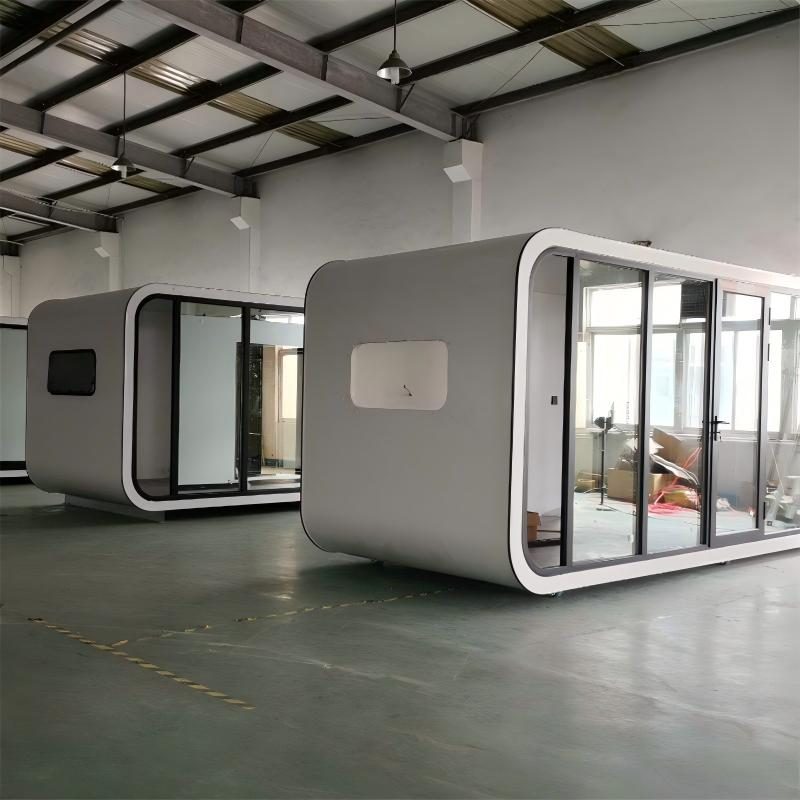
To compare container house suppliers in China, score each on specification completeness, material traceability, factory evidence, quality process, communication, commercial terms, and after-sales. Use a weighted table to quantify differences, request documented proof for each criterion, and shortlist suppliers who provide transparent, verifiable information.
When sourcing container houses from China, the number of suppliers can be overwhelming. To make an informed decision, you need a systematic method that goes beyond price. This article presents a scoring framework with seven weighted criteria: specification completeness, material traceability, factory evidence, quality process, communication, commercial terms, and after-sales. By scoring each supplier against these criteria and applying weights, you can objectively compare container house suppliers and identify those who offer the best overall value for your project.
Why a Scoring Framework Matters
Container house suppliers vary widely in capability, transparency, and reliability. Relying on a single factor, such as the lowest quote, often leads to problems later: incomplete specifications, substituted materials, or poor after-sales support. A weighted scoring framework forces you to evaluate suppliers holistically and document your reasoning. It also provides a common basis for discussion among your procurement team and helps justify your final choice to stakeholders.
The Seven Criteria Explained
Each criterion below addresses a critical aspect of supplier performance. For each, request evidence and assign a score from 1 (poor) to 5 (excellent).
1. Specification Completeness
A complete specification leaves no room for ambiguity. It should cover dimensions, materials, insulation, electrical and plumbing provisions, finishes, and performance ratings. Suppliers who provide vague or incomplete specs may cut corners or later claim that certain features were not included. Look for detailed technical datasheets and drawings. For example, for a double-wing expandable container house, the spec should clearly state the panel thickness, steel grade, and window types.
2. Material Traceability
Traceability means you can verify the origin and quality of key materials. Ask for material certificates, test reports, and supplier declarations. For sandwich panels, confirm the insulation core (EPS, rock wool, or PU) and density. For steel, check the grade and coating. Suppliers who cannot provide traceability may use substandard materials. This is especially important for projects requiring compliance, such as asbestos-free panels for Australia.
3. Factory Evidence
Verify that the supplier is a manufacturer, not just a trading company. Request factory photos, videos, or a virtual tour. Check business licenses and export records. A factory audit report from a third party (e.g., BV) adds credibility. Evidence of a real production facility reduces the risk of quality issues and delays. You can also ask for a live video call to see the production line.
4. Quality Process
Understand the supplier's quality management system. Are they ISO 9001 certified? Do they have in-house testing? Do they conduct pre-shipment inspections? A robust quality process includes incoming material inspection, in-process checks, and final inspection. Ask for their quality manual and inspection records. Certifications such as CE marking and CNAS-accredited testing indicate adherence to standards.
5. Communication
Effective communication is vital, especially across time zones and languages. Evaluate responsiveness, clarity, and technical knowledge. Do they answer questions promptly? Can they provide drawings and explanations in English? Miscommunication can lead to costly errors. Test them with a few technical queries before committing.
6. Commercial Terms
Review payment terms, MOQ, lead time, and shipping terms. Be wary of suppliers who demand full payment upfront or offer unusually low prices. Typical market range for container houses varies by type and specification; confirm with your supplier. Understand Incoterms (FOB, CIF) and who handles logistics. Clear terms protect both parties.
7. After-Sales
After-sales support covers installation guidance, spare parts, and issue resolution. Ask about the warranty policy (length and coverage) and how they handle claims. A supplier with a structured after-sales process is more likely to stand behind their product. Check if they provide installation manuals or videos.
Weighted Comparison Table
Assign weights to each criterion based on your project priorities. The table below shows a sample weighting and a template for scoring suppliers. Adjust weights to suit your needs.
| Criterion | Weight (%) | Supplier A Score (1-5) | Supplier B Score (1-5) | Supplier C Score (1-5) |
|---|---|---|---|---|
| Specification Completeness | 20 | |||
| Material Traceability | 15 | |||
| Factory Evidence | 15 | |||
| Quality Process | 15 | |||
| Communication | 10 | |||
| Commercial Terms | 15 | |||
| After-Sales | 10 | |||
| Weighted Total | 100 |
Multiply each score by the weight (as a decimal) and sum the results to get the weighted total. Use this to rank suppliers.
How JIUJIAN GLOBAL Handles This
JIUJIAN GLOBAL, operated by Shandong Jiujian Integrated Housing Co., Ltd., provides detailed specifications and material traceability for its container house product lines. The company holds ISO 9001, CE marking, and CNAS-accredited testing, and offers BV pre-shipment inspection. With exports to over 100 countries since 2020, they support importers with transparent documentation and communication.
Applying the Framework
Start by listing potential suppliers from platforms, trade shows, or referrals. Send each a request for information covering the seven criteria. Use a spreadsheet to record their responses and score them. For qualitative criteria like communication, keep notes on response times and clarity. After scoring, shortlist the top two or three and request samples or factory visits (virtual or in-person). Finally, negotiate terms with the shortlisted suppliers, using the scores to guide your decision.
Common Pitfalls to Avoid
- Overweighting price: A low price often signals compromises in materials or service. Balance cost with quality and reliability.
- Ignoring communication: Poor communication during the sales phase often continues during production and after-sales.
- Accepting vague specs: Insist on detailed specifications and compare them line by line.
- Skipping factory verification: Always verify that the supplier is a real manufacturer.
Conclusion
Comparing container house suppliers in China requires a structured, evidence-based approach. By using this weighted scoring framework, you can objectively evaluate suppliers and select a partner who meets your project requirements. For more guidance on specific product types, see our article on choosing a reliable container house manufacturer in China. To explore JIUJIAN GLOBAL's product range, visit our products page or request a quote.
Next step: get a real quotation
Tell us the destination port and the quantity, and we send a priced offer with drawings and a loading plan. Most enquiries are answered within one working day.