How to Write an RFQ for Container Houses
Updated 2026-11-01 · JIUJIAN GLOBAL technical team
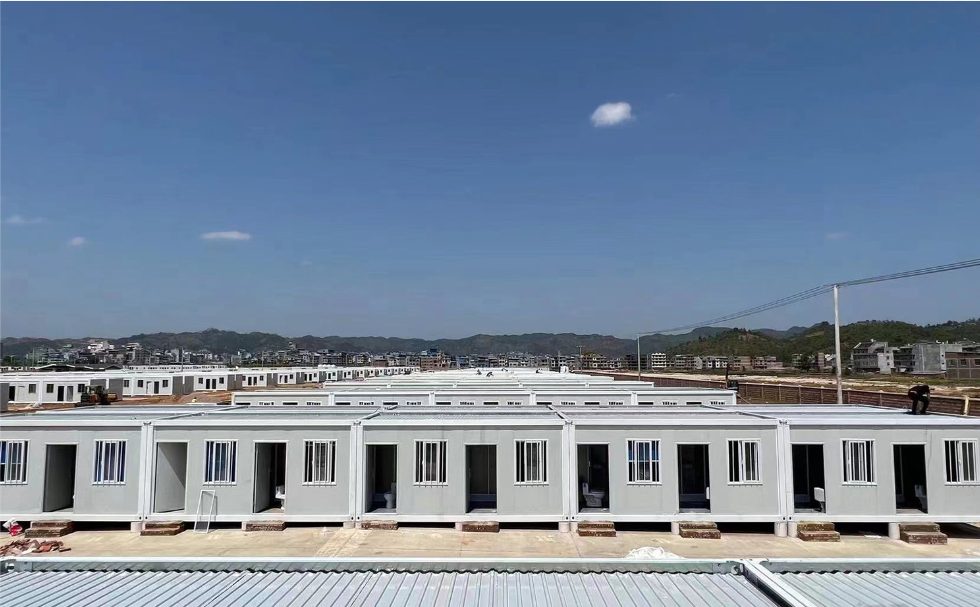
A comparable container house RFQ states: unit type and size, wall and roof insulation thickness, glazing specification, electrical standard and plug type, bathroom layout, quantity and shipment split, destination port, delivery date, required documents and commercial terms. Without insulation, electrical standard, quantity and destination, suppliers quote different products and the prices cannot be compared.
Two quotes for "a 20ft container house" can differ by 40 percent and both be honest, because one is a 50 mm EPS panel shell and the other is a 75 mm rock wool unit with a fitted bathroom. The RFQ is what removes that ambiguity. The fields below are the ones that change price.
The 12 fields
| Field | What to write |
|---|---|
| 1. Unit type | Flat pack / folding / expandable / modular / pod |
| 2. Size | External dimensions in mm, plus internal clear height needed |
| 3. Layout | Rooms, door and window positions, wet core or not |
| 4. Insulation | Panel thickness and core (EPS, rock wool, PU) for wall and roof |
| 5. Glazing | Single or double, frame material, opening type |
| 6. Electrical | Voltage, frequency, plug type, socket count, lighting, AC provision |
| 7. Plumbing | Cold/hot water, shower, WC type, tank or mains |
| 8. Finish | Floor covering, wall finish, external colour code |
| 9. Quantity | Total units and units per shipment |
| 10. Destination | Port and country, plus transport constraints if known |
| 11. Schedule | Required delivery window and whether part shipments help |
| 12. Commercial | Incoterm, payment terms, documents required, warranty period |
Writing the specification section
Write the specification as a numbered list so that suppliers can answer line by line. Where you have no preference, say "supplier standard, please state" rather than leaving it blank: a blank reads as "cheapest option" and that is what you will get. For insulation and electrical standard, always state a figure; these two lines drive both price and how the unit performs on site.
Commercial terms worth stating up front
- Incoterm: FOB is easiest to compare; CIF or DAP shifts logistics risk to the supplier and hides freight in the unit price.
- Payment: state what you can actually do, for example 30 percent deposit and 70 percent against the bill of lading copy.
- Price validity: ask for 30 days; steel and panel prices move.
- Documents: packing list by module, material certificates, test reports, and the certificate of origin if you need preferential duty.
What to ask after the price arrives
Request the shop drawing, the weight per unit, the packing list and one reference project in your region. Compare the four documents, not just the totals: a low price with a vague drawing is the most expensive option in the file. For the unit types referenced in the RFQ see flat pack, folding and expandable container houses, and for non-standard layouts use custom container house.
Need this priced for your project?
Send the unit type, quantity, destination port and any layout drawing. We reply with a specification-matched quotation and lead time, usually within one working day.
Request a quotation WhatsApp our team
Related: all container house products · custom container house · contact
Next step: get a real quotation
Tell us the destination port and the quantity, and we send a priced offer with drawings and a loading plan. Most enquiries are answered within one working day.