Container House Pre-Shipment Inspection: What Importers Must Check
Updated 2026-11-01 · JIUJIAN GLOBAL technical team
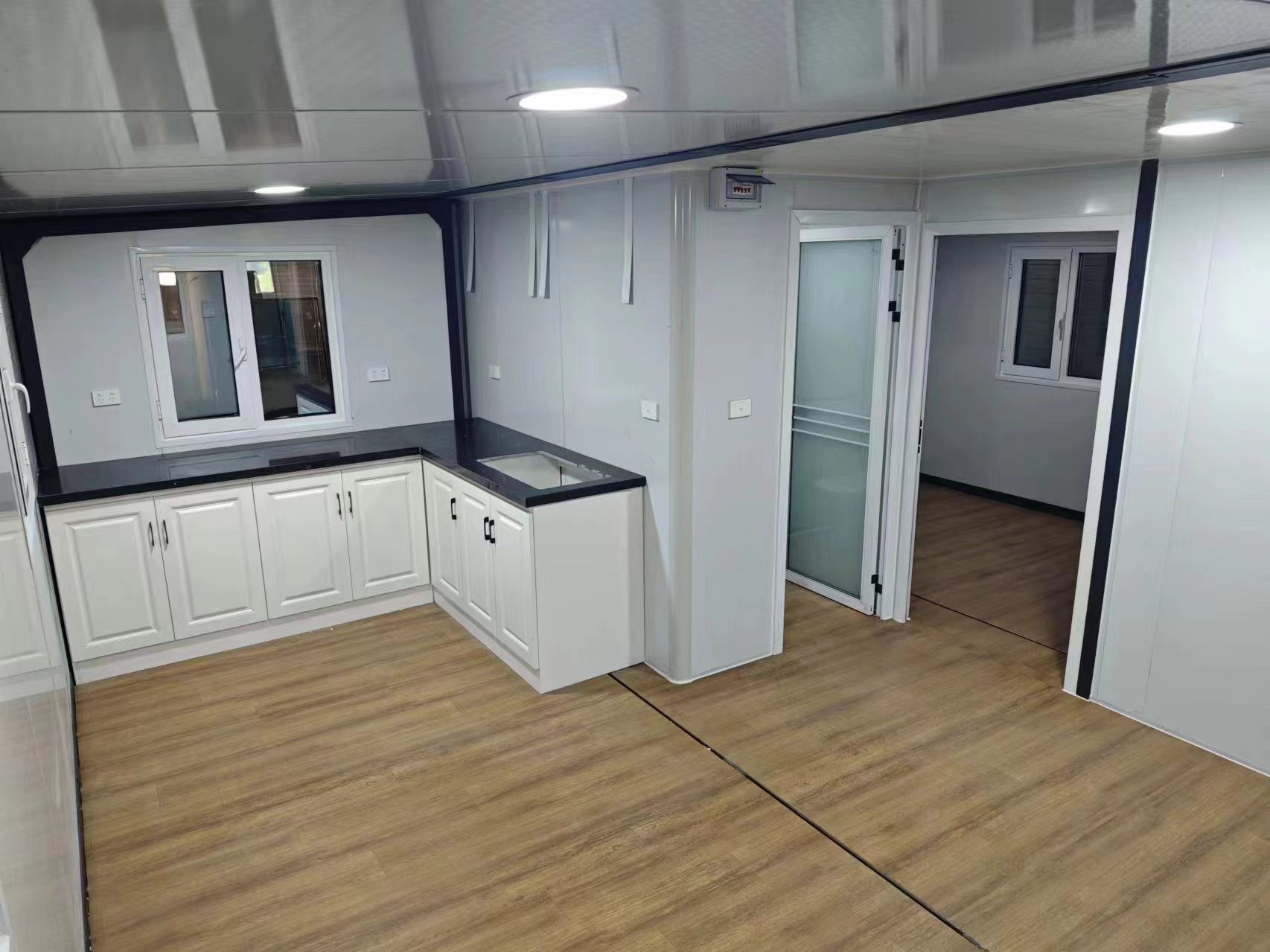
Before shipment, require a pre-shipment inspection covering the document pack (drawings, test reports, packing list), dimensional verification, panel and seal integrity, electrical testing, and loading photos. Use a third-party inspector if needed. Resolve any defects before the container is sealed.
Before your container house shipment leaves the factory, you need a pre-shipment inspection that covers documents, dimensions, panels, seals, electrical systems, packing, and loading. This guide explains exactly what to check, how to structure the inspection, and what to do if defects are found. Use it as a checklist for your next order from a Chinese container house manufacturer.
Why container house pre-shipment inspection matters
Container houses are flat-packed and shipped in containers, so once the container is sealed, correcting defects becomes expensive and slow. A pre-shipment inspection catches issues while the goods are still at the factory, where adjustments can be made quickly. It also creates a documented record that protects both buyer and supplier in case of disputes.
For importers, distributors, contractors, and project buyers, the inspection is not just about quality control—it is about confirming that the order matches the contract, that the packing is suitable for sea freight, and that the loading plan maximizes container space without risking damage.
1. Pre-inspection document pack
Before the physical inspection, request a document pack from the supplier. This pack should include:
- Approved production drawings and bill of materials (BOM)
- Material certificates for steel, panels, and insulation
- Test reports (e.g., electrical, structural, fire performance if applicable)
- Packing list with dimensions and weights of each package
- Container loading plan
- Certificates such as ISO 9001, CE marking, and third-party inspection reports (e.g., BV)
- Asbestos-free declaration if required for your market (e.g., Australia)
Review these documents against your purchase order. Discrepancies in specifications, quantities, or certifications should be resolved before the inspection date.
2. Dimensional and structural checks
Container houses are built to modular dimensions, so verify key measurements against the approved drawings. Use a tape measure and laser distance meter. Check:
- Overall length, width, and height of each module
- Corner casting positions and hole sizes for lifting and stacking
- Door and window opening sizes and squareness
- Panel thickness and profile
- Frame straightness and weld quality
For flat pack and folding container houses, also check that folding mechanisms operate smoothly and that hinges and locking devices are properly aligned. For expandable models, verify that the sliding or folding sections move without binding.
3. Panel and seal integrity
Sandwich panels are the core of the building envelope. Inspect for:
- Dents, scratches, or delamination on panel surfaces
- Uniform insulation filling and absence of voids
- Proper sealing of panel edges and joints
- Condition of gaskets and weather seals on doors and windows
- Alignment of panel locking devices
Seal integrity is critical for weather resistance. Check that all seals are continuous, flexible, and free from cuts or tears. For projects in harsh climates, confirm that the seal material is suitable for the expected temperature range.
4. Electrical and plumbing testing
If your container house includes electrical wiring, lighting, sockets, and switches, these must be tested. Request a test report and, if possible, witness the tests. Key checks:
- Continuity and polarity of all circuits
- Insulation resistance test (megger test)
- Earth continuity
- Operation of RCD/GFCI devices
- Lighting and socket functionality
- Voltage and frequency compatibility with your market
For plumbing, check for leaks under pressure and confirm that pipe connections are secure. If the unit is pre-plumbed, verify that inlet and outlet positions match the drawings.
5. Packing and loading inspection
Packing quality determines whether the container house arrives undamaged. Inspect:
- Protective wrapping on panels and frames
- Corner protection and edge guards
- Secure bundling of loose components
- Moisture control (desiccant, vapor barriers)
- Loading plan and container space utilization
Take photos at each stage: before packing, during packing, after loading, and with the container door closed and seal number visible. These photos are your evidence of condition at departure.
6. Third-party inspection scope
Many buyers appoint a third-party inspection company such as Bureau Veritas (BV), SGS, or Intertek. The scope typically includes:
- Quantity and specification verification
- Visual quality inspection
- Dimensional checks
- Functional tests (electrical, folding mechanisms)
- Packing and loading supervision
- Container seal verification
Clarify the inspection standard with the third party and ensure the supplier is aware of the criteria. A pre-shipment inspection report from a recognized third party adds credibility and can be a requirement for import clearance in some markets.
7. What to do when defects are found
If the inspection reveals defects, document them with photos and a written report. Categorize defects as critical (affecting safety or function), major (affecting performance or appearance), or minor (cosmetic). Then:
- Notify the supplier immediately and request a corrective action plan.
- For critical defects, require re-inspection after correction.
- For major defects, negotiate repair or replacement before shipment.
- For minor defects, decide whether to accept with a price adjustment or require touch-up.
Do not allow the container to be sealed until all agreed corrections are completed and verified. Keep a written record of the resolution.
Comparison table: inspection stages and key checks
| Stage | Key checks | Responsible |
|---|---|---|
| Document review | Drawings, certificates, packing list | Buyer / supplier |
| In-process | Material verification, weld quality | Factory QC |
| Pre-shipment | Dimensions, panels, electrical, packing | Factory QC + third party |
| Loading | Container condition, loading plan, seal | Factory + third party |
How JIUJIAN GLOBAL handles this
JIUJIAN GLOBAL operates under an ISO 9001 quality system and offers BV pre-shipment inspection for container house orders. Products carry CE marking and CNAS-accredited testing, and asbestos-free panels are available for the Australian market. The factory in Weifang, Shandong, can provide a full pre-shipment document pack and loading photos on request.
Next step: get a real quotation
Tell us the destination port and the quantity, and we send a priced offer with drawings and a loading plan. Most enquiries are answered within one working day.