HS Codes for Container Houses
Updated 2026-11-01 · JIUJIAN GLOBAL technical team
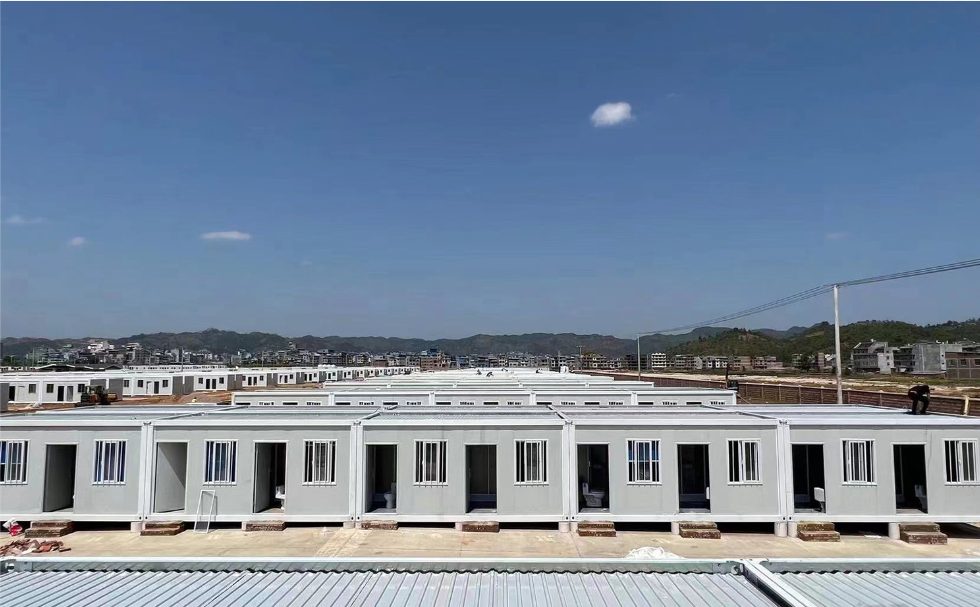
Complete prefabricated buildings usually classify under HS 9406. Units shipped as knocked-down kits are often classified under the same heading, while parts shipped separately (panels, doors, frames, sanitary ware) follow their own headings. Duty rates differ by destination and by origin, so confirm the code and the origin rule with a customs broker before the invoice is issued.
Classification decides duty, and duty on a container of buildings is real money. The common mistake is to describe the goods loosely on the invoice and let the broker pick a code at the port.
The main headings
| Goods | Heading | Note |
|---|---|---|
| Complete prefabricated building | 9406 | Includes container houses sold as buildings |
| Knocked-down kit for a building | 9406 | Confirmed by local practice; check with broker |
| Sandwich panels alone | Different chapter, by material | Steel-faced, aluminium-faced and plastic-faced differ |
| Doors, windows, frames | Separate headings | Usually classified individually |
| Electrical fittings, sanitary ware | Separate headings | Itemise if shipped loose |
| Shipping container for transport | 8609 | Only when it is genuinely transport equipment |
Describing the goods on the invoice
Write "prefabricated building, complete with electrical and sanitary installation, knocked down for transport" and list the main components with quantities. A description of "container house" alone invites a 8609 classification, which can be both wrong and more expensive.
Origin and free trade agreements
Preferential rates need a valid origin rule: wholly obtained, or sufficient processing. A building assembled from imported panels and doors may fail the value-added test. Get the origin rule checked before you promise a landed cost to your client; a wrong origin claim is recovered later with penalties.
Valuation, not just code
Customs value is normally the transaction value, but the additions matter: freight and insurance to the border under CIF-based systems, assists such as buyer-supplied moulds, and royalties. Keep the freight invoice separate and accurate.
Practical checklist
- Ask the broker for a written classification ruling before production.
- Structure the invoice so units and accessories are itemised but the building is described as a whole.
- Keep the technical data sheet, the drawing and the material list in the shipment file.
- Re-check the code when the product changes: an expandable office and a flat pack dormitory may not share a subheading.
Related: shipping documents, US import requirements, EU requirements.
Need this priced for your project?
Send the unit type, quantity, destination port and any layout drawing. We reply with a specification-matched quotation and lead time, usually within one working day.
Request a quotation WhatsApp our team
Related: all container house products · custom container house · contact
Next step: get a real quotation
Tell us the destination port and the quantity, and we send a priced offer with drawings and a loading plan. Most enquiries are answered within one working day.