Importing Container Houses into the USA
Updated 2026-11-01 · JIUJIAN GLOBAL technical team
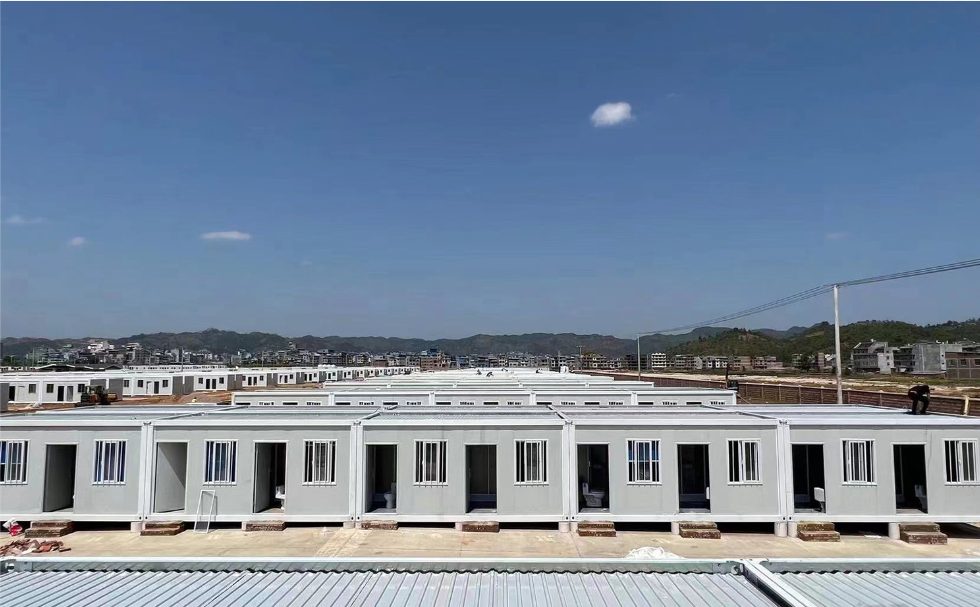
Most container houses enter the US under a prefabricated buildings heading (HS 9406), with parts often classified separately. Budget for a customs bond, an ISF filing 24 hours before loading, and answer panel-chemistry questions if the foam core is polyurethane. Approval to occupy is a state and local matter: expect to submit structural calculations and, in some states, a state insignia review.
The US is the largest single market for container-based buildings, and clearance is routine when the paperwork is prepared before loading. The problems come from three areas: classification, the foam core in the panels, and the assumption that a building that is legal in Asia is legal in Ohio.
Documents for entry
| Document | When | Notes |
|---|---|---|
| Commercial invoice | With shipment | Itemise units and accessories; state Incoterm |
| Packing list | With shipment | Per module, with weights |
| Bill of lading | After loading | Consignee must match the importer of record |
| ISF (10+2) | 24 h before loading | Filed by the importer or broker |
| Customs bond | Before entry | Single entry or continuous |
| Entry summary (CBP 7501) | Within 10 days of entry | Broker files |
| Certificate of origin | On request | Affects duty treatment only where an agreement applies |
Classification and duty
Prefabricated buildings sit in heading 9406. A complete, fitted container house and a knocked-down kit can land in different subheadings, and electrical fittings, sanitary ware and furniture shipped inside the unit may be classed separately if itemised. Ask your broker to rule on the classification in writing before the vessel sails; a reclassification after entry is expensive.
Panel chemistry
Polyurethane and other foam cores can attract questions from EPA and, for certain products, CARB-related rules on foam. Have the panel technical data sheet and the foam supplier's declaration ready. This is a paperwork issue, not a barrier: the data sheet answers 90 percent of the questions.
Building approval is separate from customs
- Structural: wind, snow and seismic loads for the actual site; calculations signed by a US-licensed engineer in most states.
- Electrical: 120/240 V, 60 Hz, UL-listed components and AFCI/GFCI protection as required by the local code.
- Egress and safety: door widths, escape windows, smoke alarms, stair geometry for two-storey units.
- Factory-built programmes: some states require a state insignia for factory-built housing; a container may be treated as a modular building rather than a shipping container.
Practical advice
Ship the electrical components to US specification from the factory rather than converting on site. Keep the unit's steel frame documentation, because some jurisdictions ask for the coating system and the section properties. And check the destination state's rules before you buy, not after the container arrives.
Related: HS codes and duty, shipping documents, and the flat pack product range.
Need this priced for your project?
Send the unit type, quantity, destination port and any layout drawing. We reply with a specification-matched quotation and lead time, usually within one working day.
Request a quotation WhatsApp our team
Related: all container house products · custom container house · contact
Next step: get a real quotation
Tell us the destination port and the quantity, and we send a priced offer with drawings and a loading plan. Most enquiries are answered within one working day.