Keeping a Container House Liveable at 45 °C
Updated 2026-11-01 · JIUJIAN GLOBAL technical team
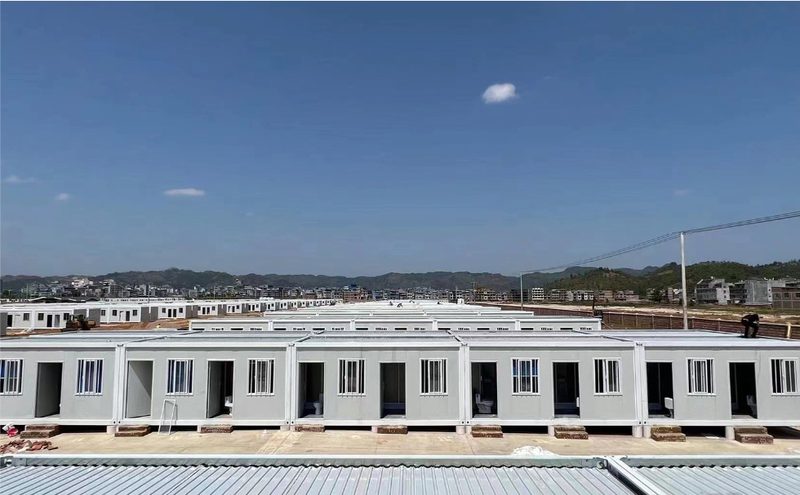
Shade the roof and the west wall, use a light-coloured or reflective roof finish, add roof ventilation or a ventilated cavity, increase roof panel thickness, and site units so the long axis runs east-west to reduce the sun-facing wall area.
A container house in a desert summer is a steel box under a lamp. Air conditioning will make it habitable, but the size of the unit you have to buy, the generator you have to run and the fuel bill for the season are all decided by the envelope and the shading, not by the air conditioner.
The three heat paths
| Path | Share of the problem | Control |
|---|---|---|
| Solar gain through the roof | Largest single component in a low-rise box | Shading, reflective finish, ventilated cavity, thicker roof panel |
| Solar gain through walls, especially west | Significant in the afternoon | Orientation, external shading, light colour |
| Air infiltration and openings | Underestimated; grows with use | Door closers, seals, lobby or curtain where doors open constantly |
Shading first, insulation second, cooling third
A shaded roof can cut the heat entering the unit dramatically for the cost of a shade structure. A ventilated cavity above the roof panel achieves a similar result and also protects the panel from UV. Only after those two are done does extra panel thickness give the best return — and it still matters, but it is the third lever, not the first.
Orientation
Long axis east-west, so the long walls face north and south and the small end walls take the low morning and afternoon sun. Where the site layout forces an east-west long wall, expect the west elevation to be the dominant cooling load and shade it externally — a pergola, a screen, or a planted trellis that does not touch the unit.
Cooling and air movement
- Size the air conditioner after the envelope is fixed; a unit sized on an unshaded box will be oversized once shading is added, which causes short cycling and poor dehumidification.
- Provide ceiling fans — air movement raises the acceptable setpoint by 2 to 3 °C at a fraction of the energy.
- Keep the outdoor unit out of the sun and with clearance for airflow; a condenser in a shaded, ventilated position can cut consumption noticeably.
- Dust is the hidden load: filters clog weekly in a desert camp, so specify accessible filters and put cleaning on the maintenance schedule.
Dust, wind and detailing
Driving dust enters through every unsealed penetration. Seal cable and pipe entries, use brush seals on doors, and avoid downlights that break the ceiling vapour line. Externally, sand-blasting of coatings is real: specify a finish that tolerates abrasion and inspect the lower walls after the first season.
What to send for a desert specification
- Summer design temperature and the number of months above 40 °C
- Whether the unit will be air-conditioned continuously or intermittently
- Whether shading structures are planned and who builds them
- Power source — grid or generator — because that sets the cooling energy budget
Need this priced for your project?
Send the unit type, quantity, destination port and any layout drawing. We reply with a specification-matched quotation and lead time, usually within one working day.
Request a quotation WhatsApp our team
Related: all container house products · custom container house · contact
Next step: get a real quotation
Tell us the destination port and the quantity, and we send a priced offer with drawings and a loading plan. Most enquiries are answered within one working day.