Building a Container House That Survives Salt Air
Updated 2026-11-01 · JIUJIAN GLOBAL technical team
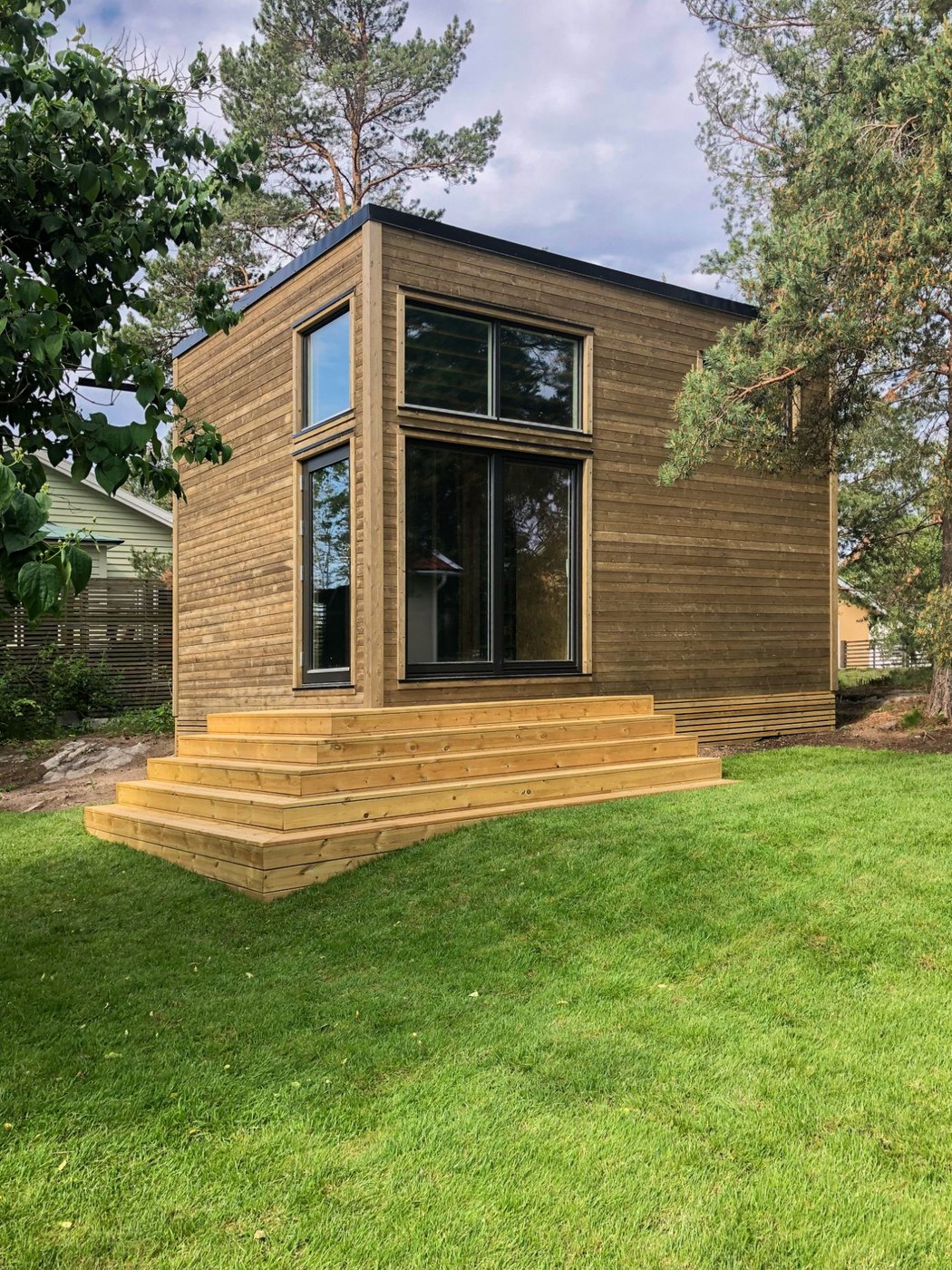
For coastal sites specify a higher-build coating system on the frame with a salt-spray test figure, stainless or hot-dip galvanised fixings, sealed cut edges, no unpainted steel in contact with the ground, and a maintenance inspection at 12 and 36 months.
Salt air accelerates corrosion by an order of magnitude compared with an inland site, and it attacks in an order that is easy to get wrong: the fixings go first, then the cut edges, then the thin coatings. A container house on a coast is a solvable engineering problem, but only if the specification changes with the site.
Where a coastal unit actually corrodes
| Location | Mechanism | Control |
|---|---|---|
| Screws and fasteners | Dissimilar metal contact and thin zinc plating | Stainless steel or hot-dip galvanised; never electro-zinc in a salt environment |
| Cut edges of panels | Bare steel exposed at the cut | Sealed edge, touch-up primer, trim cover where visible |
| Base of walls | Splash zone, standing water, ground contact | Raise the module on piers at least 150 mm above finished ground, drained perimeter |
| Roof fixings and seams | Ponding and capillary water | Continuous fall, sealed washers, check after storms |
| Under the floor | Trapped moisture, no ventilation | Ventilated void, no organic material stored under the unit |
Coating systems
Ask for the coating system, not just the colour: primer type, number of coats, dry film thickness and the salt-spray result. A standard single-coat polyester finish is adequate inland; within a few kilometres of the sea, a higher-build system with better edge coverage is the difference between a maintenance cycle at five years and one at two. Where steel is exposed structurally — base rails, corner posts, stair frames — hot-dip galvanising outlasts paint and is the correct choice for anything within splash reach.
Design details that matter more than the paint
- No water traps. Every horizontal surface should drain; flat trim and window sills that hold water are corrosion generators.
- No steel-to-ground contact. Use concrete piers or plastic isolators; a base rail sitting on soil is a battery.
- Ventilation of the floor void and roof space so condensation dries rather than pools.
- Keep dissimilar metals apart with isolating washers where aluminium meets steel.
Maintenance that prevents the expensive repair
Wash the unit down twice a year — fresh water, no abrasive — and inspect the fixings and cut edges at the same time. Touch up any damage when it is the size of a coin, not the size of a hand. Keep a record; a maintenance log is also the evidence a warranty claim needs.
What to write in the specification
- Distance from the coast and whether the site is exposed to onshore wind
- Coating system with dry film thickness and test reference
- Fastener material, item by item
- Foundation type and the height of the module above finished ground
- Maintenance interval and the touch-up kit to be supplied
Need this priced for your project?
Send the unit type, quantity, destination port and any layout drawing. We reply with a specification-matched quotation and lead time, usually within one working day.
Request a quotation WhatsApp our team
Related: all container house products · custom container house · contact
Next step: get a real quotation
Tell us the destination port and the quantity, and we send a priced offer with drawings and a loading plan. Most enquiries are answered within one working day.